Sehnsucht Symphony gives orchestral form to longing in its deepest sense: the ache for what is distant, luminous, remembered, or forever unattainable. Vast in scope yet intimate in spirit, it unfolds as a journey through beauty, tension, transformation, and inward light.
Drawn in part from the spiritual and imaginative world of Zach Elliott’s book Now I See, the symphony was graciously commissioned and supported by VUVIVO Ministries. Its creative journey also became the subject of Stronger Spells, a documentary by Chris Farrell, offering a glimpse into the artistic process behind the work’s realization.
SEHNSUCHT SYMPHONY
Sehnsucht Symphony is a large-scale orchestral work by Constantine Caravassilis, unfolding across six movements and lasting approximately thirty-five minutes. The work is shaped by longing in its deepest and most luminous form: not mere desire, but the soul’s restless pull toward what is distant, half-remembered, unattainable, or divinely intimated. The German word Sehnsucht resists exact translation. It suggests yearning, homesickness for an unknown realm, desire touched by memory, and the inward ache for something greater than oneself. It is this emotional, metaphysical, and imaginative landscape that gives the symphony both its title and its inner life.
Vast in scope yet deeply intimate in spirit, the work unfolds as a sustained meditation on distance, transformation, tenderness, and spiritual hunger. Its musical language is at once ardent and refined, lyrical and symphonic, drawing the listener into a world where beauty is never decorative, but revelatory. Like much of Caravassilis’ music, Sehnsucht Symphony inhabits a threshold between the earthly and the transcendent: a place where grief may become radiance, where desire may become prayer, and where the orchestra itself becomes a vessel for states of longing too elusive for words.
Though symphonic in scale, the piece is driven by an almost vocal intensity. Its lines breathe, surge, and recede with the urgency of utterance, while the orchestra is treated not simply as a mass of sonority, but as a living field of colour, atmosphere, and psychological depth. Moments of suspension, fracture, ecstasy, and stillness are given equal weight, allowing the music to move not in a straight line, but in waves of inward revelation. The result is an experience that is at once architectural and deeply personal: a symphony not only to be heard, but to be entered.
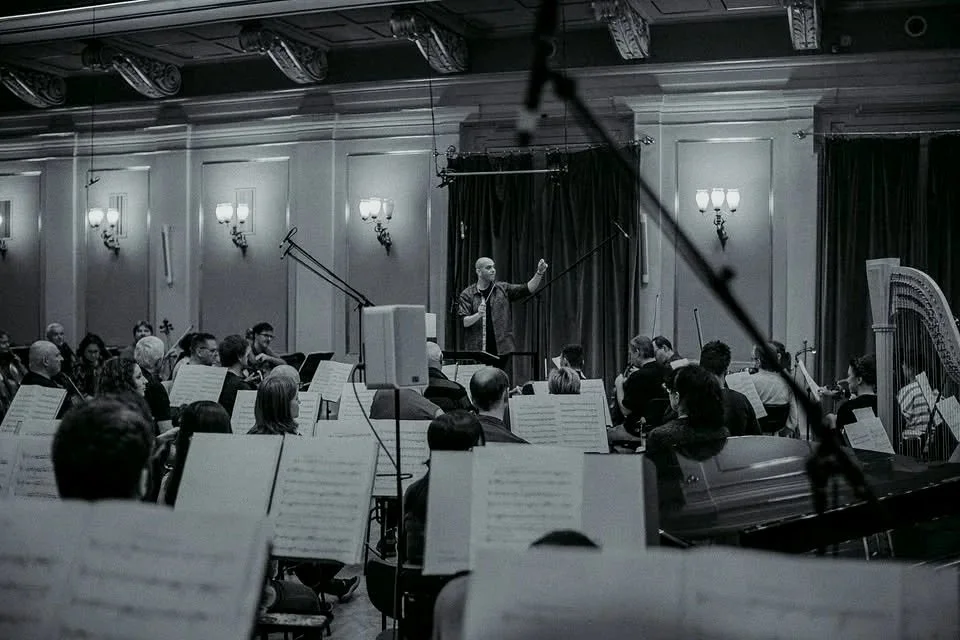
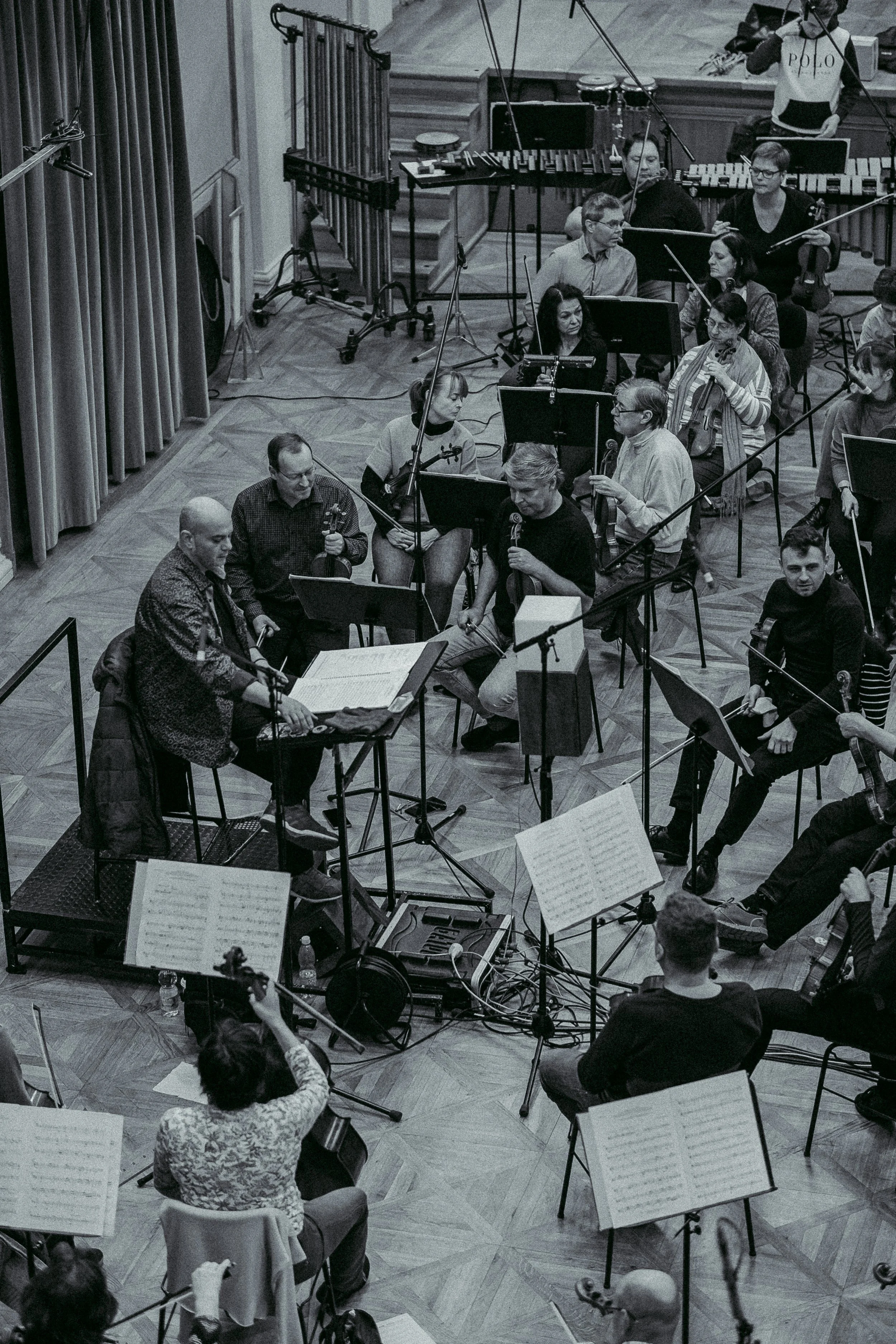
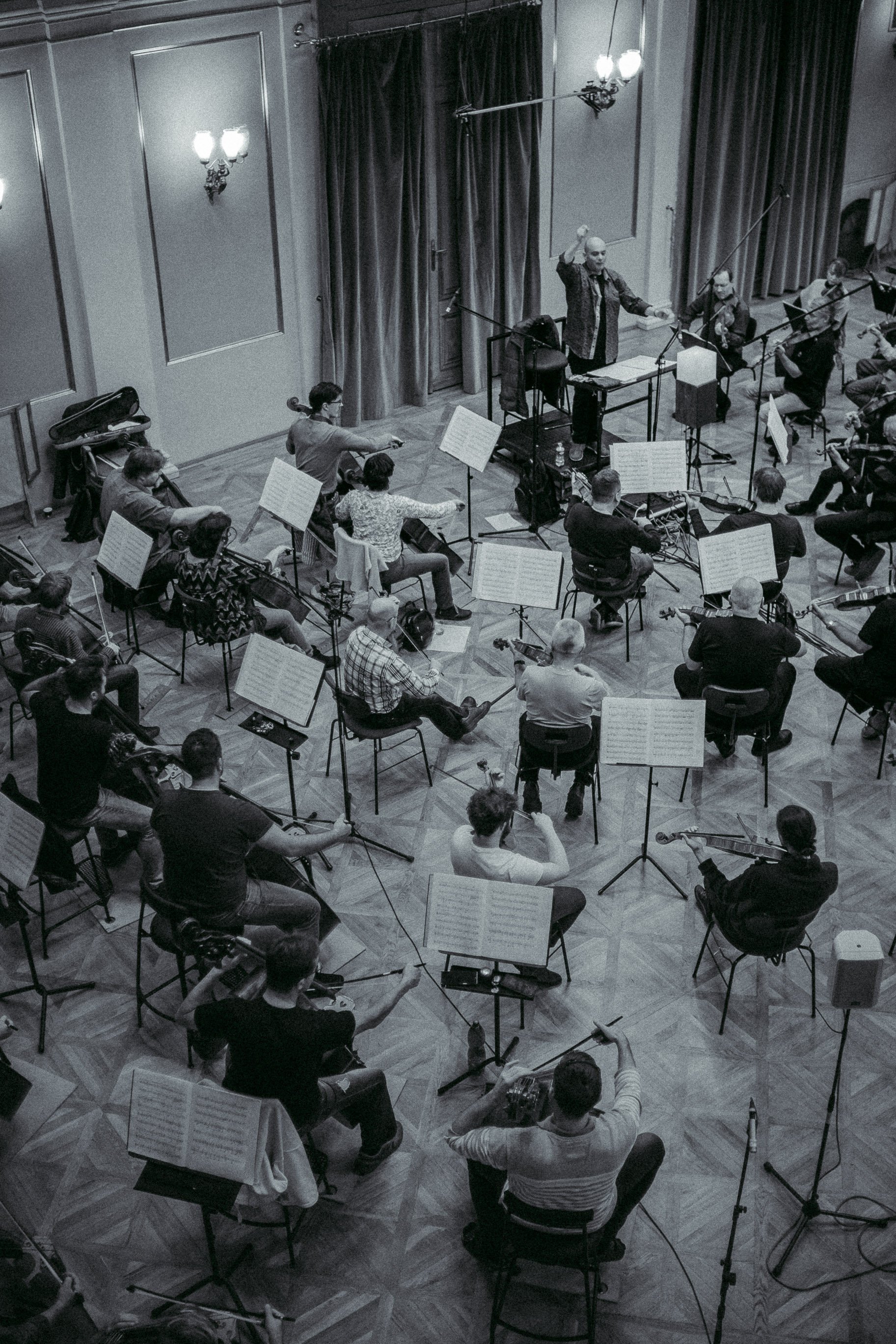
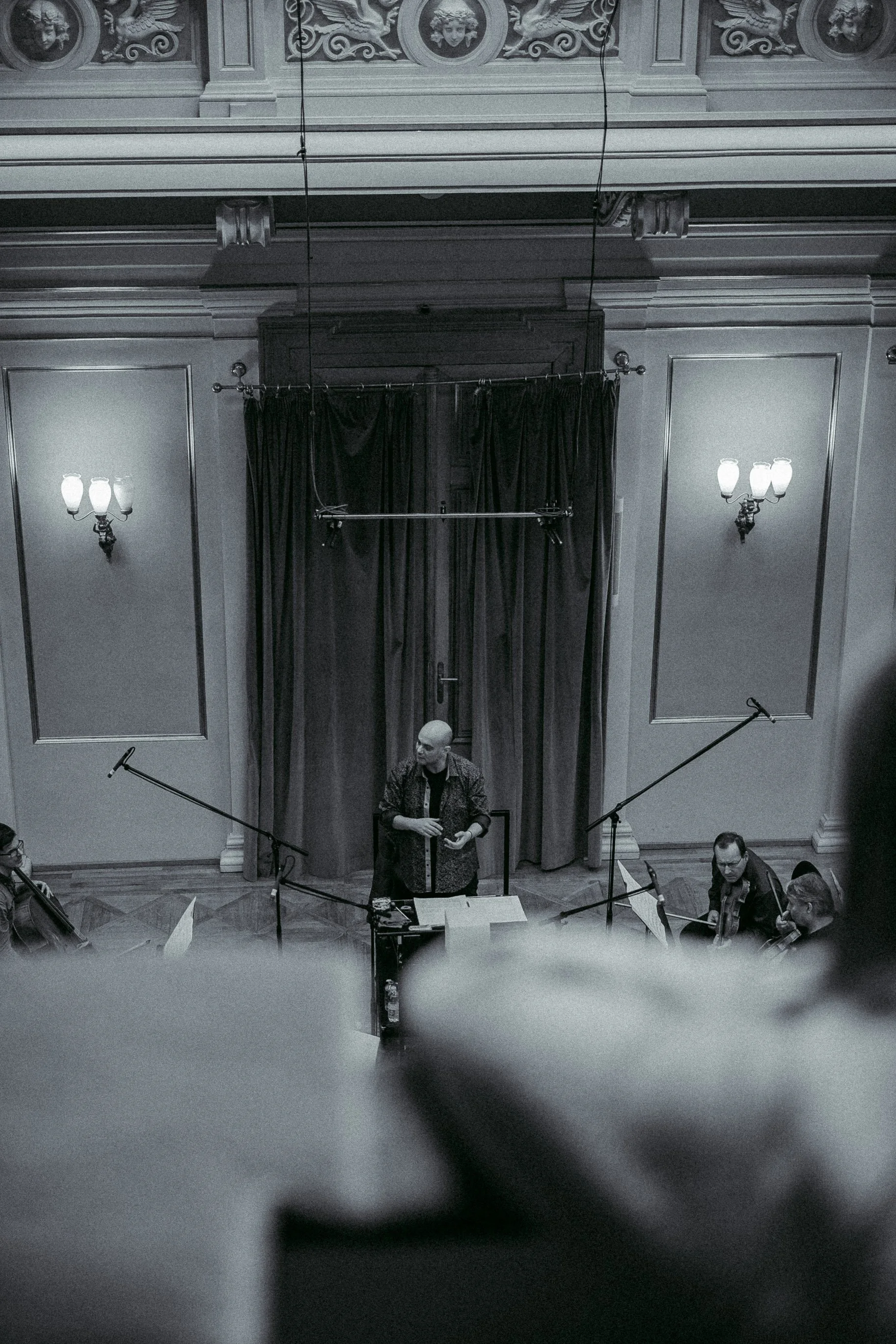
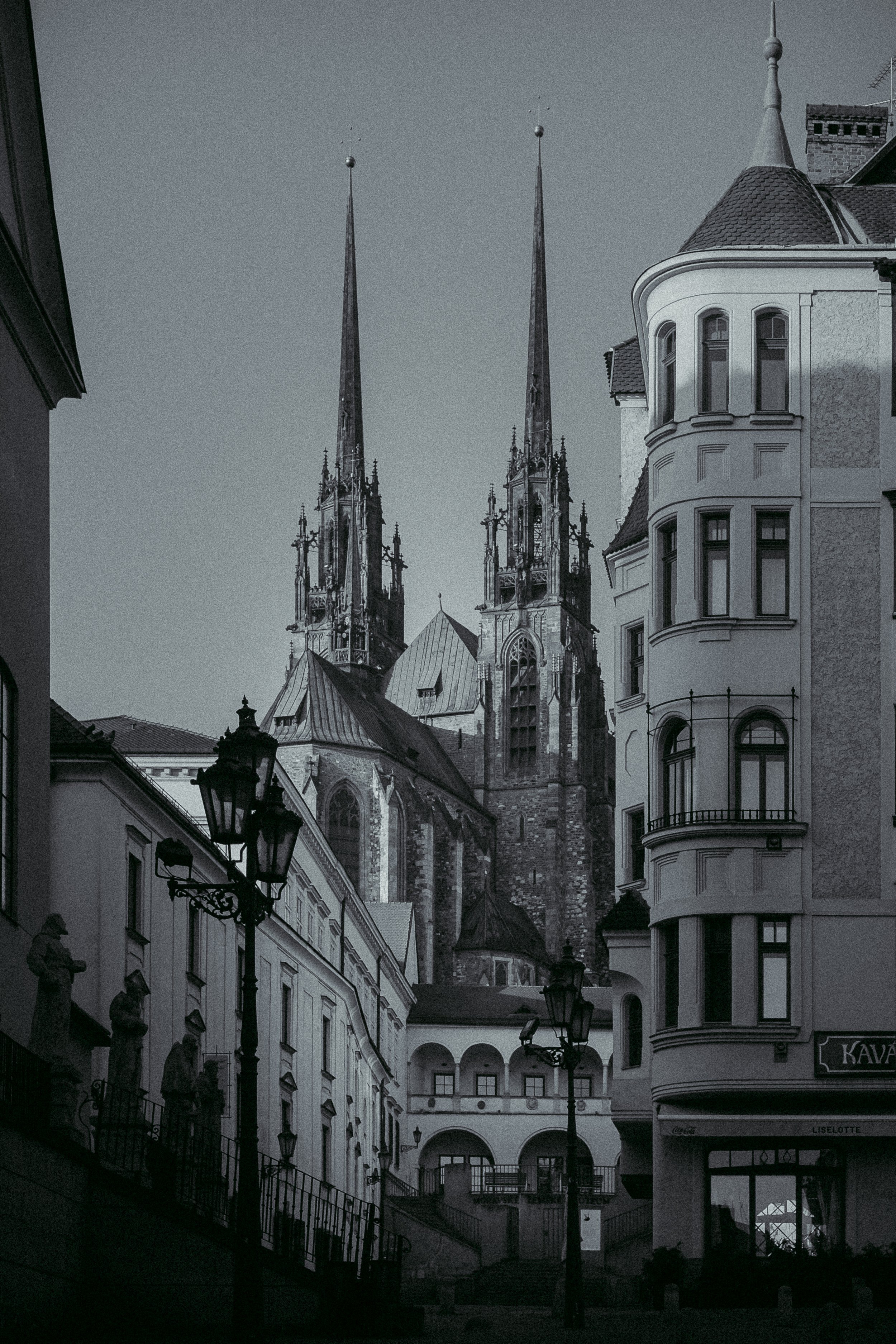
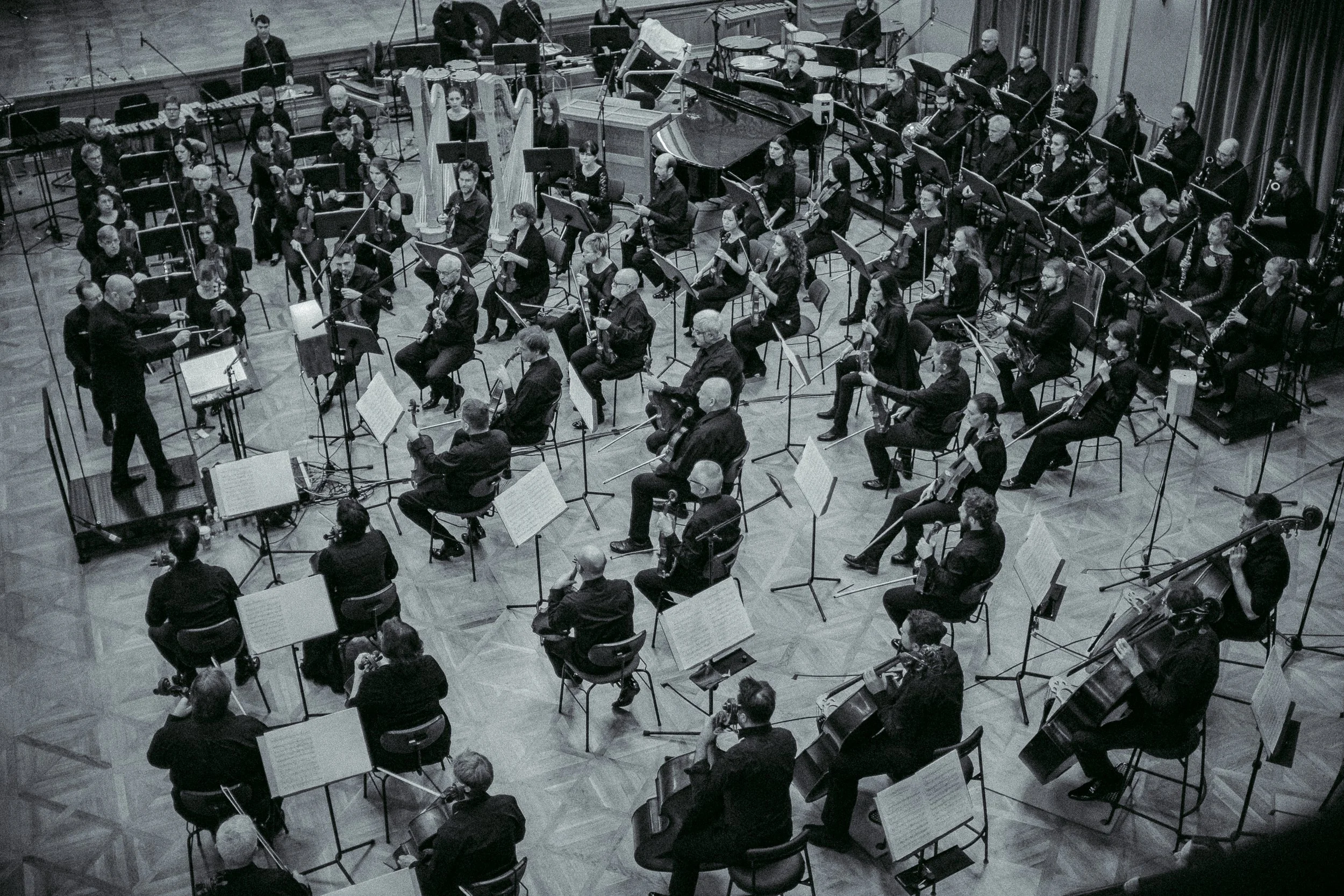
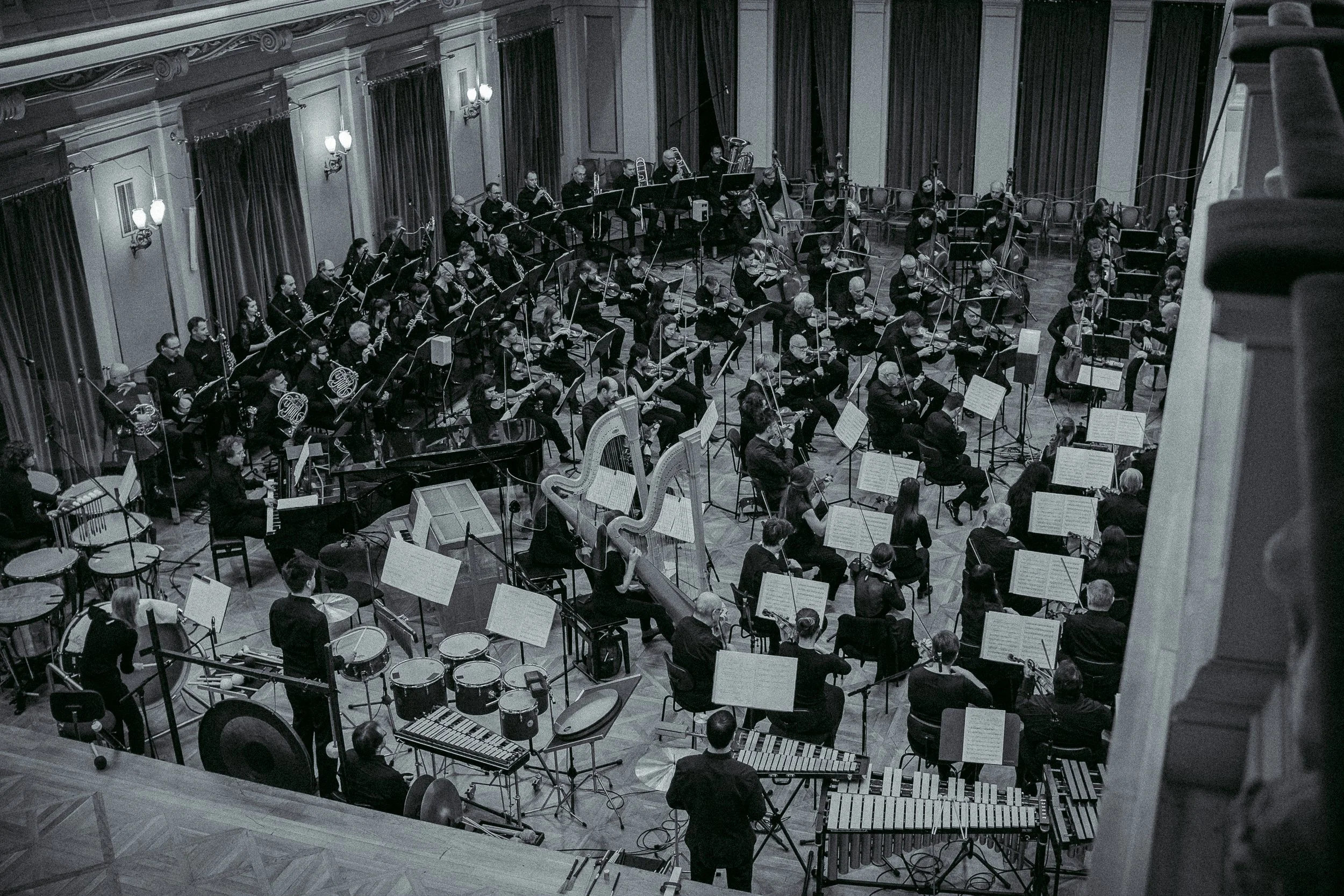
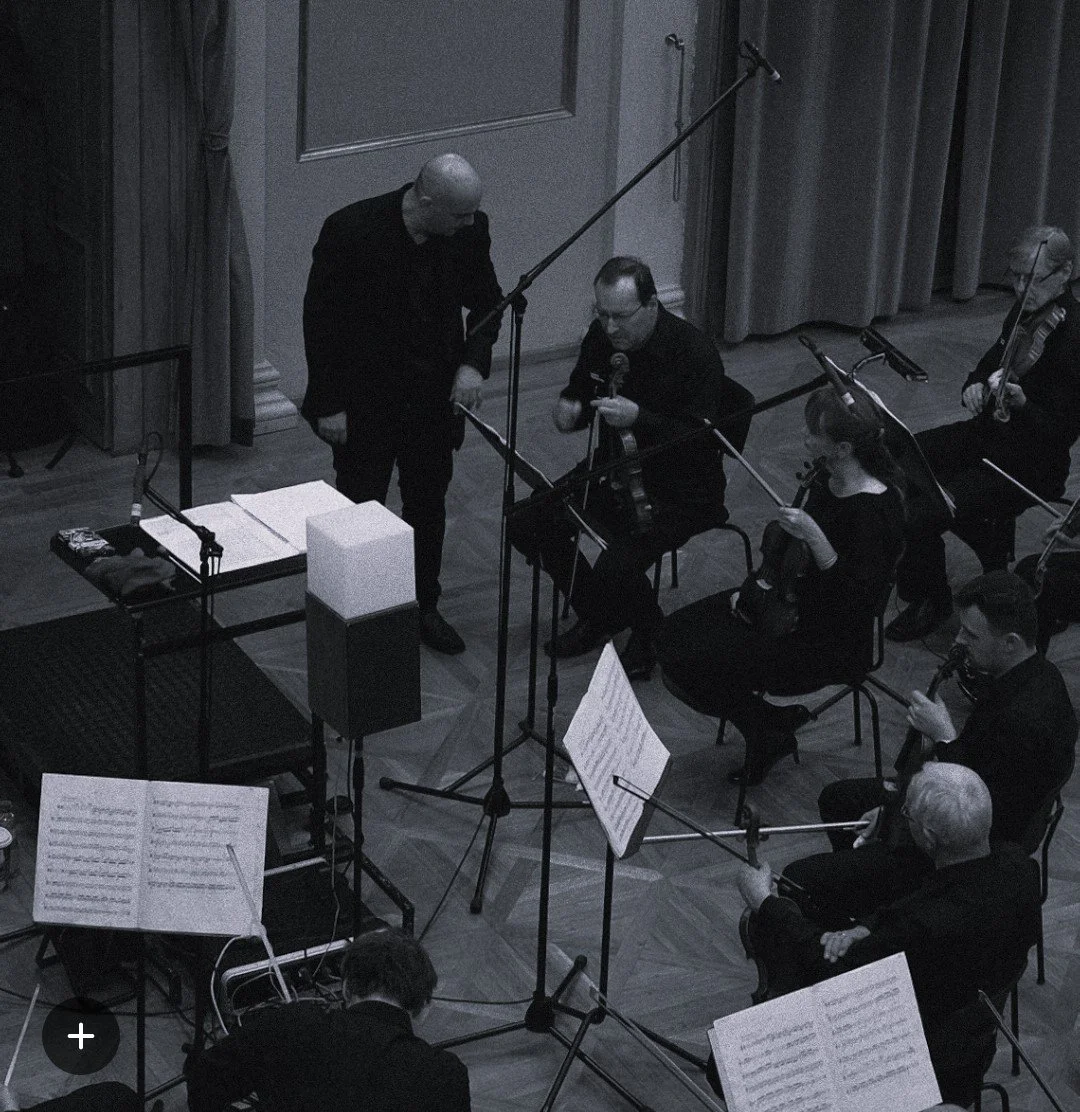
The world-premiere recording of Sehnsucht Symphony was made live with Filharmonie Brno at the historic Besední dům in Brno, Czechia, with the composer conducting. In this setting, the work found not only brilliant orchestral advocates, but an acoustic and emotional environment worthy of its breadth and intensity. The recording preserves the charged immediacy of live performance while offering the symphony its first enduring form: a document of arrival, and a major milestone in Caravassilis’ growing body of large-scale orchestral music.
The artistic journey surrounding the realization of the work also became the subject of Stronger Spells, a documentary by Florida filmmaker Chris Farrell, who travelled with the team in Europe and captured the human and creative circumstances out of which this recording emerged. Yet the truest account remains the music itself: an orchestral testament to desire, distance, memory, and the mystery of what continues to call us from beyond the visible horizon.
In Sehnsucht Symphony, Caravassilis offers no easy consolation. Instead, he gives symphonic form to one of the most enduring conditions of the human spirit: the ache for what is absent, the beauty of what remains unfinished, and the intuition that somewhere beyond loss, beyond striving, beyond language itself, there is light.

SEHNSUCHT SYMPHONY CREDITS
composed & conducted by
Constantine Caravassilis
album art: Josh Nadeau (Sword & Pencil)
recording engineer: Jaroslav Zouhar
orchestra: Filharmonie Brno
recorded at: Besední Dům, Brno, Czechia
project underwritten by VUVIVO ministries
youtube (sound only) videos
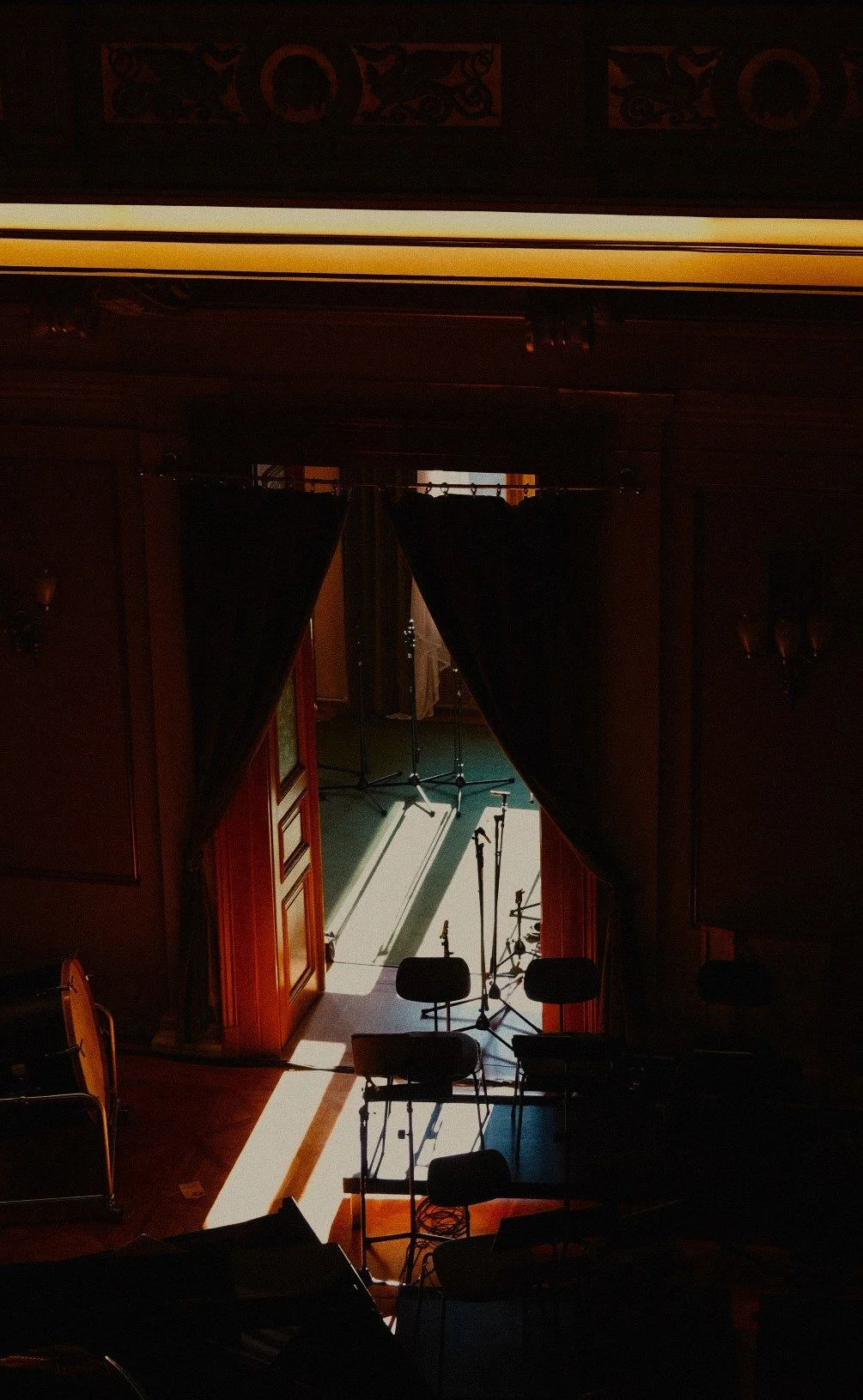
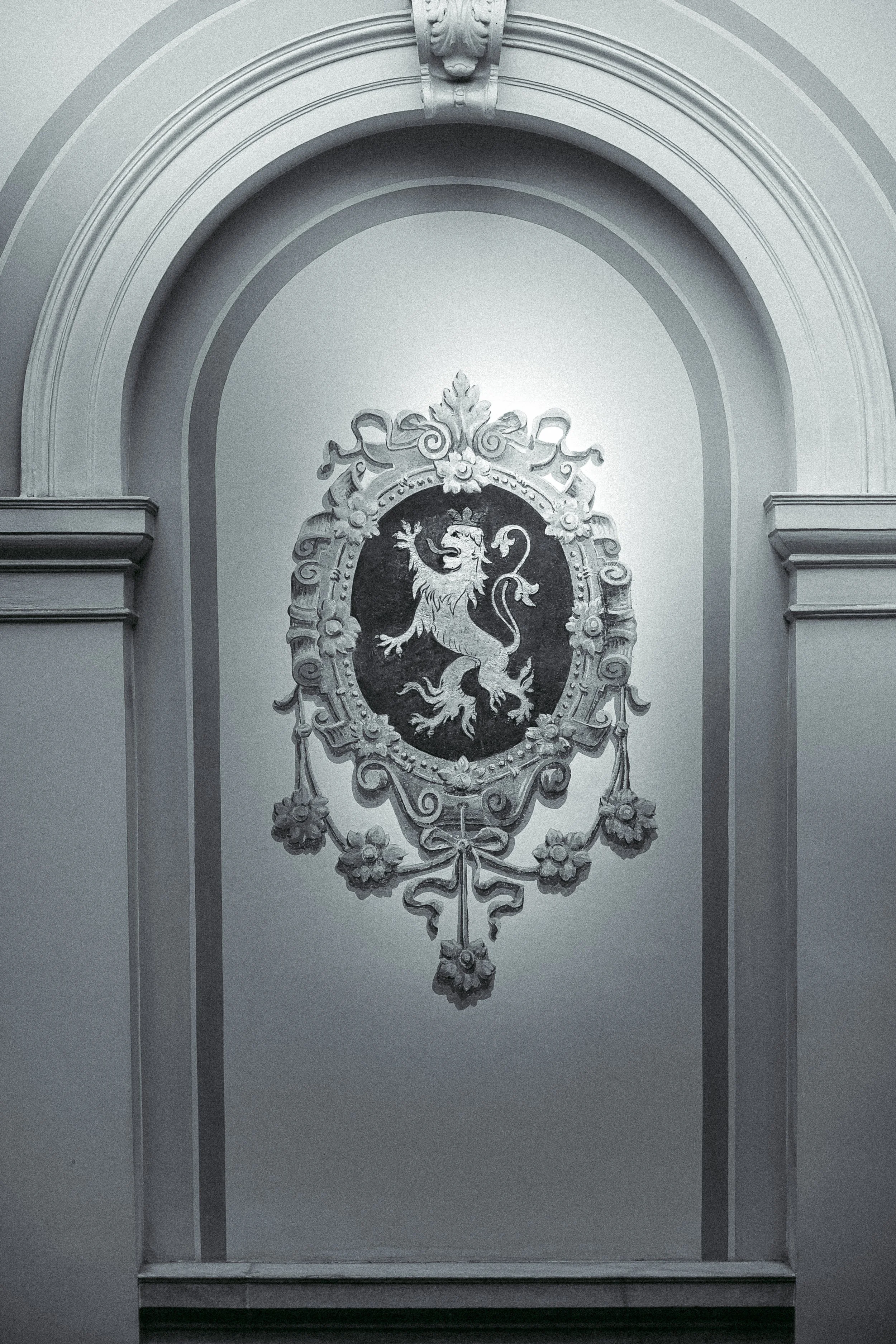
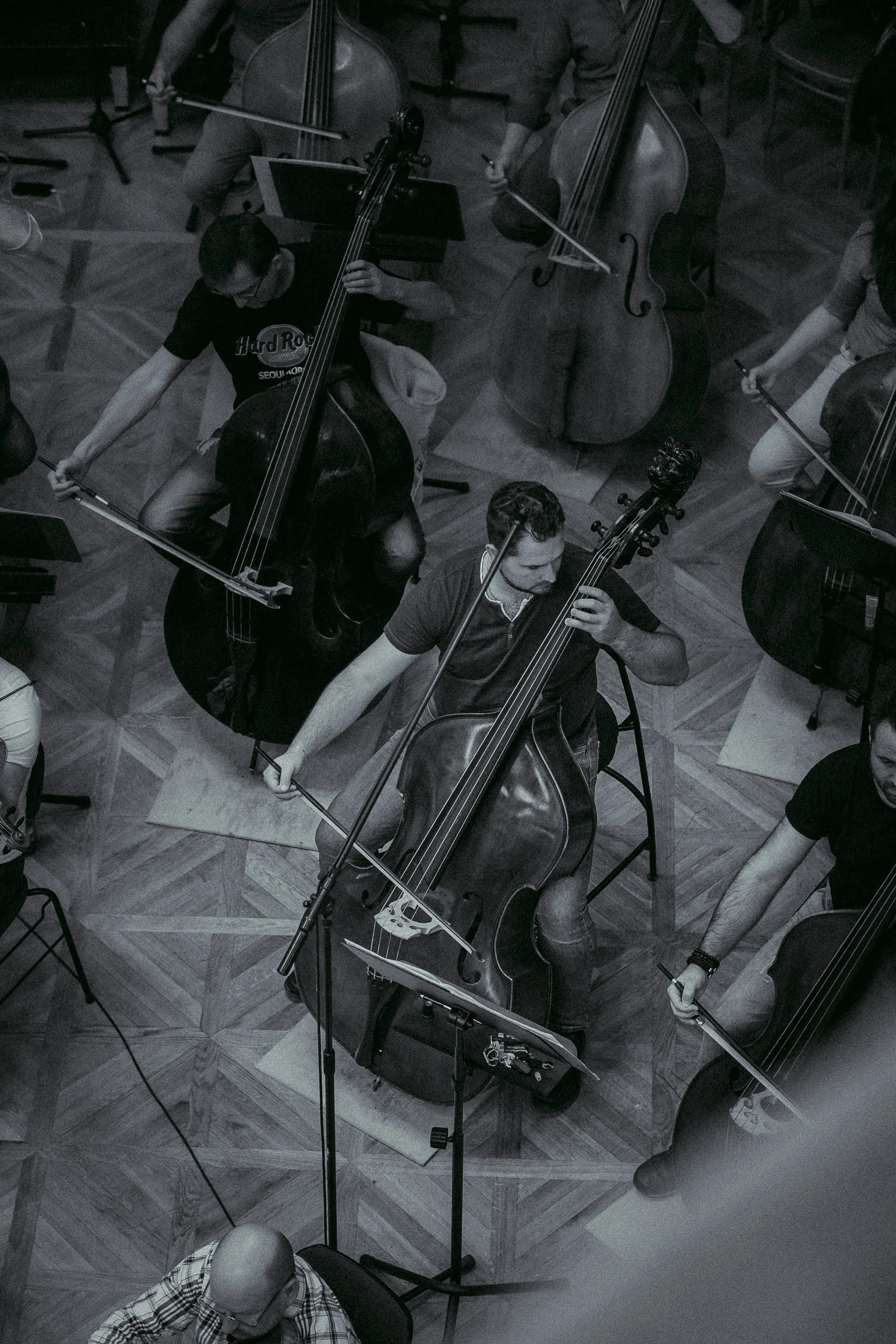
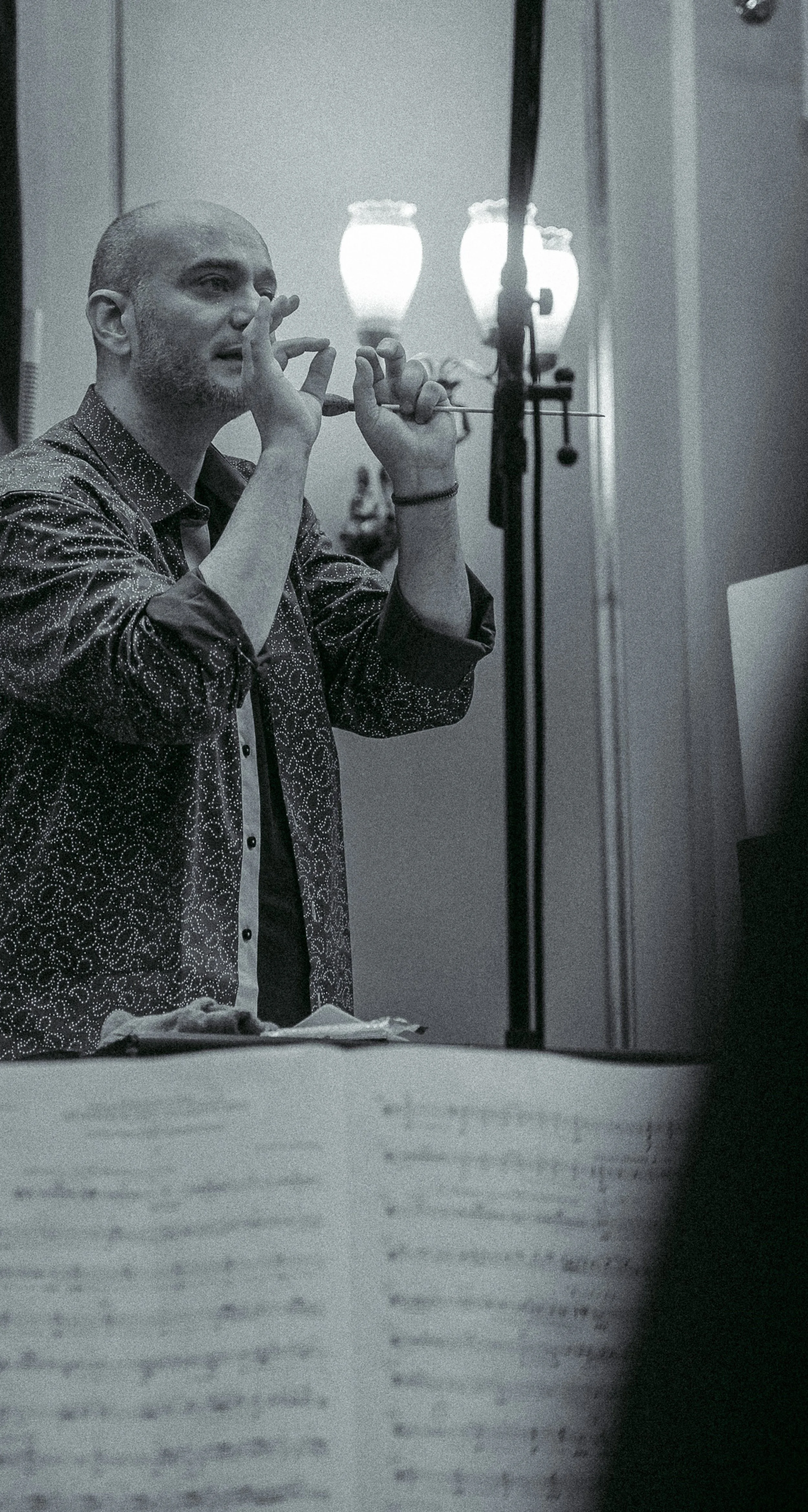
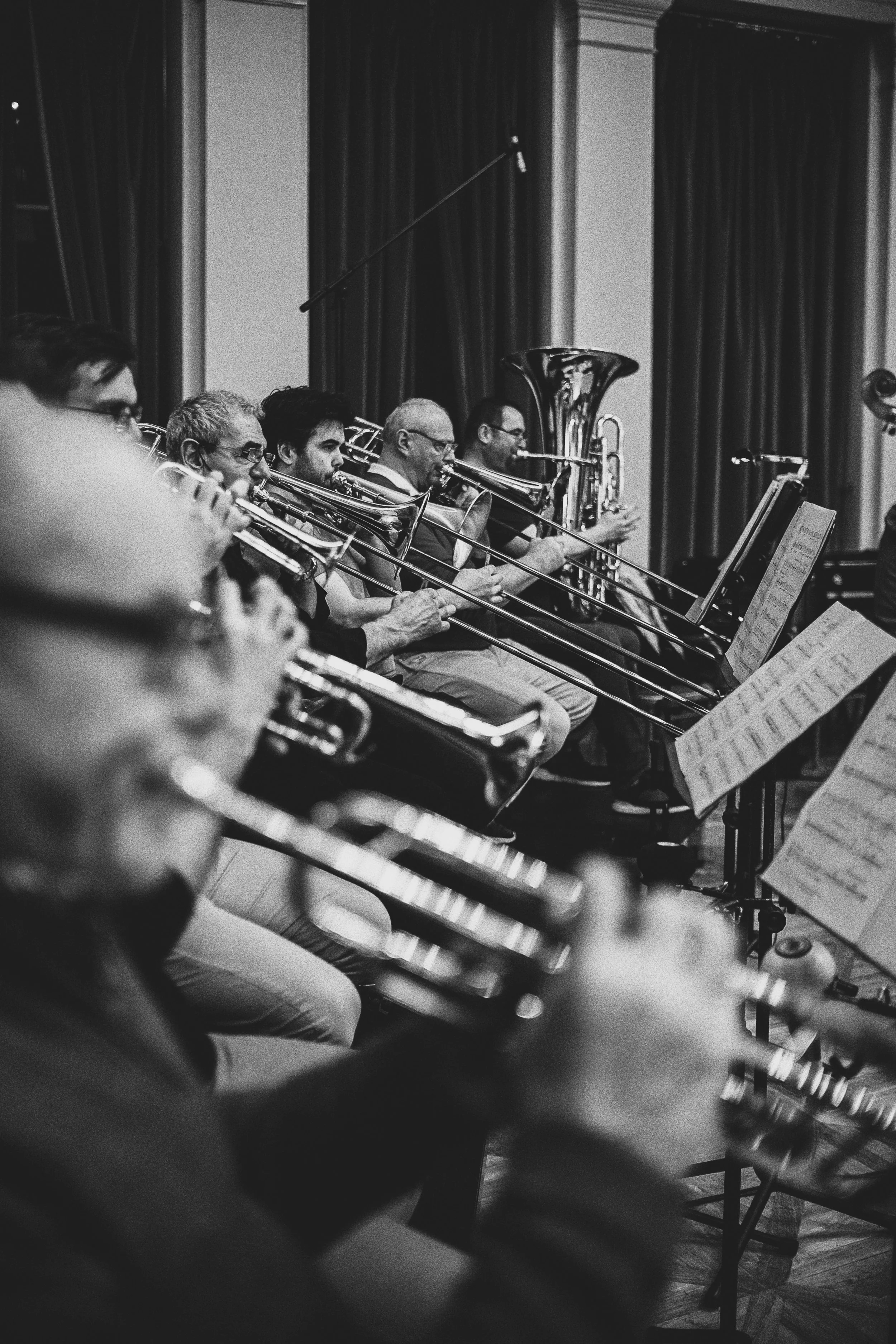
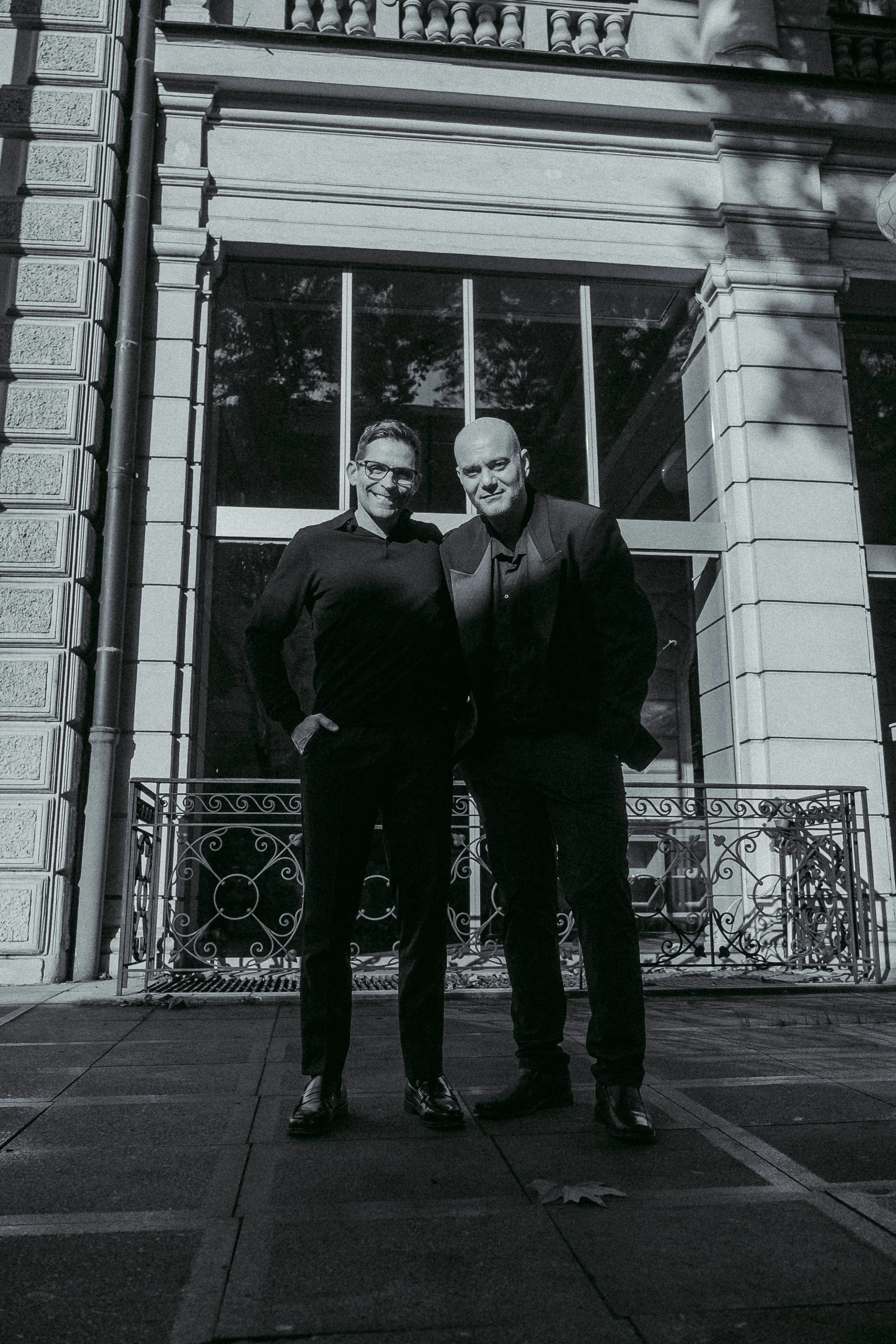
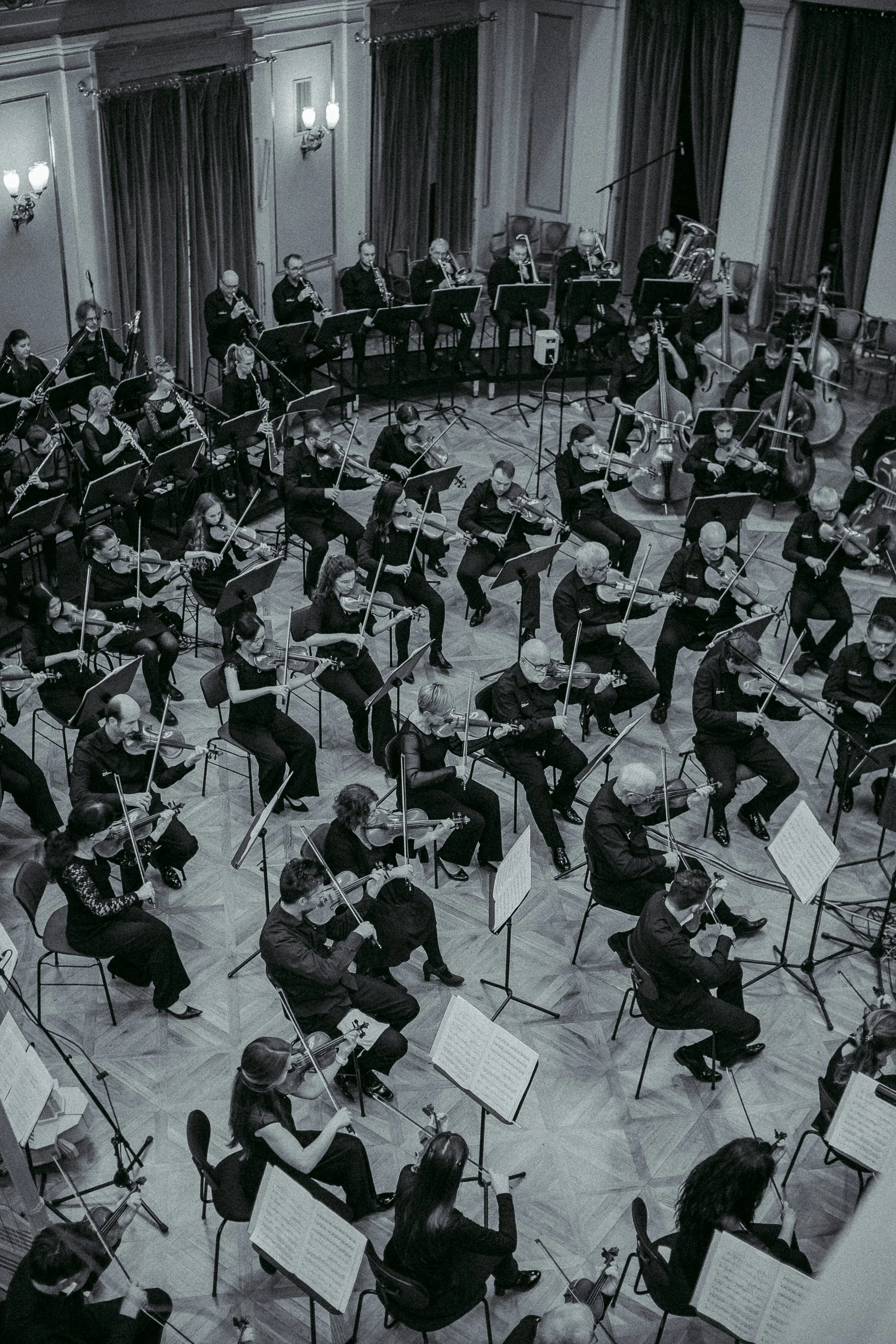
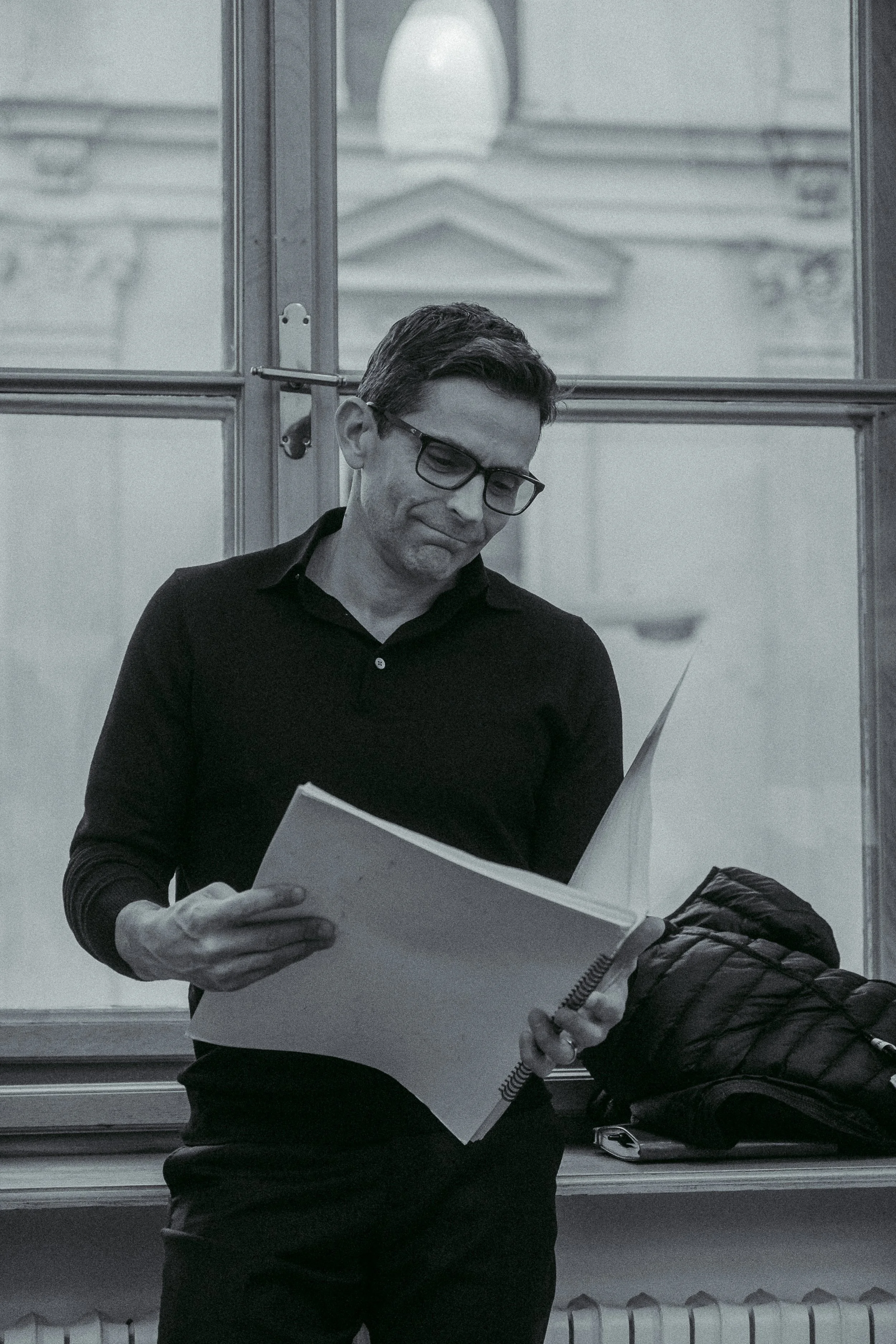
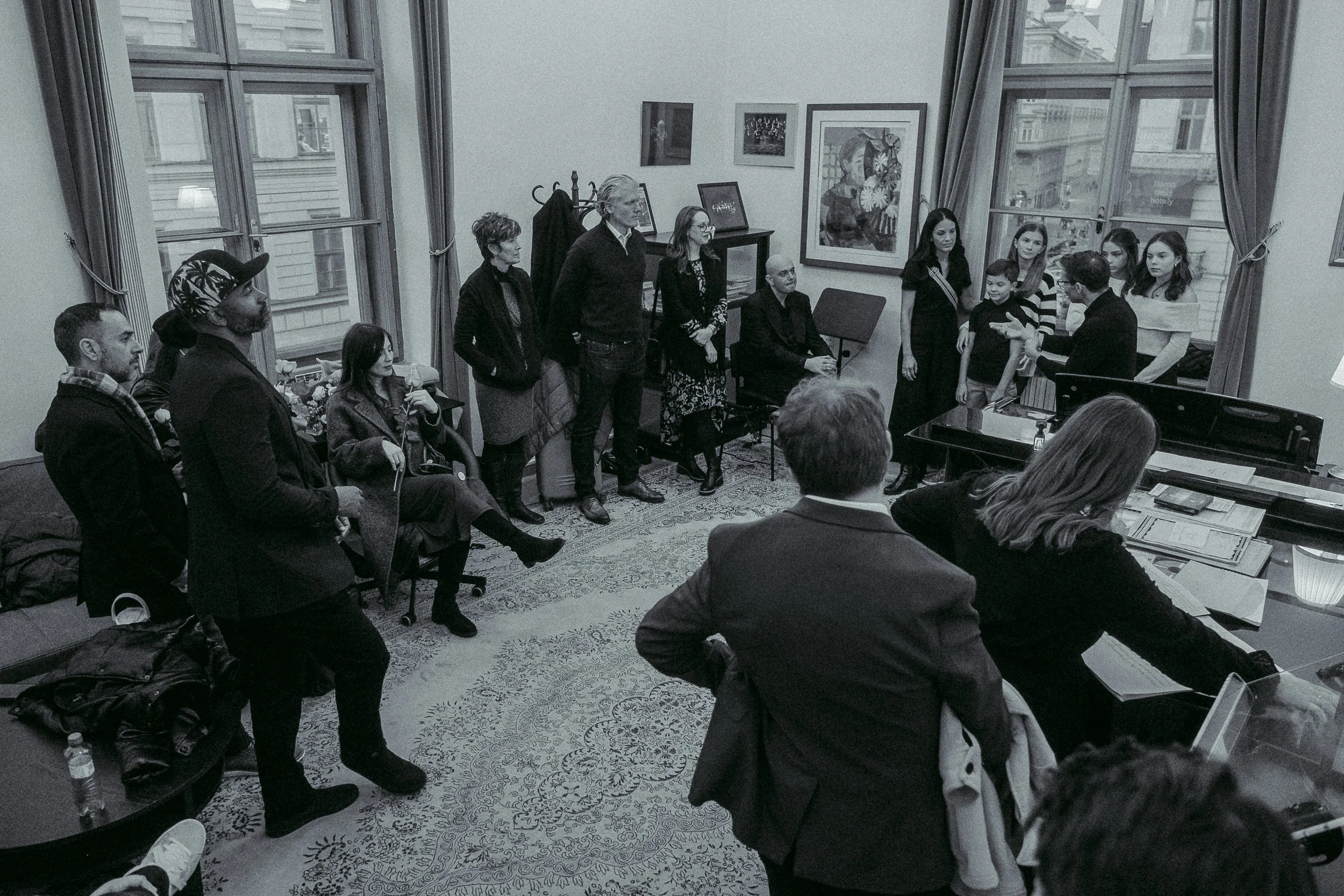
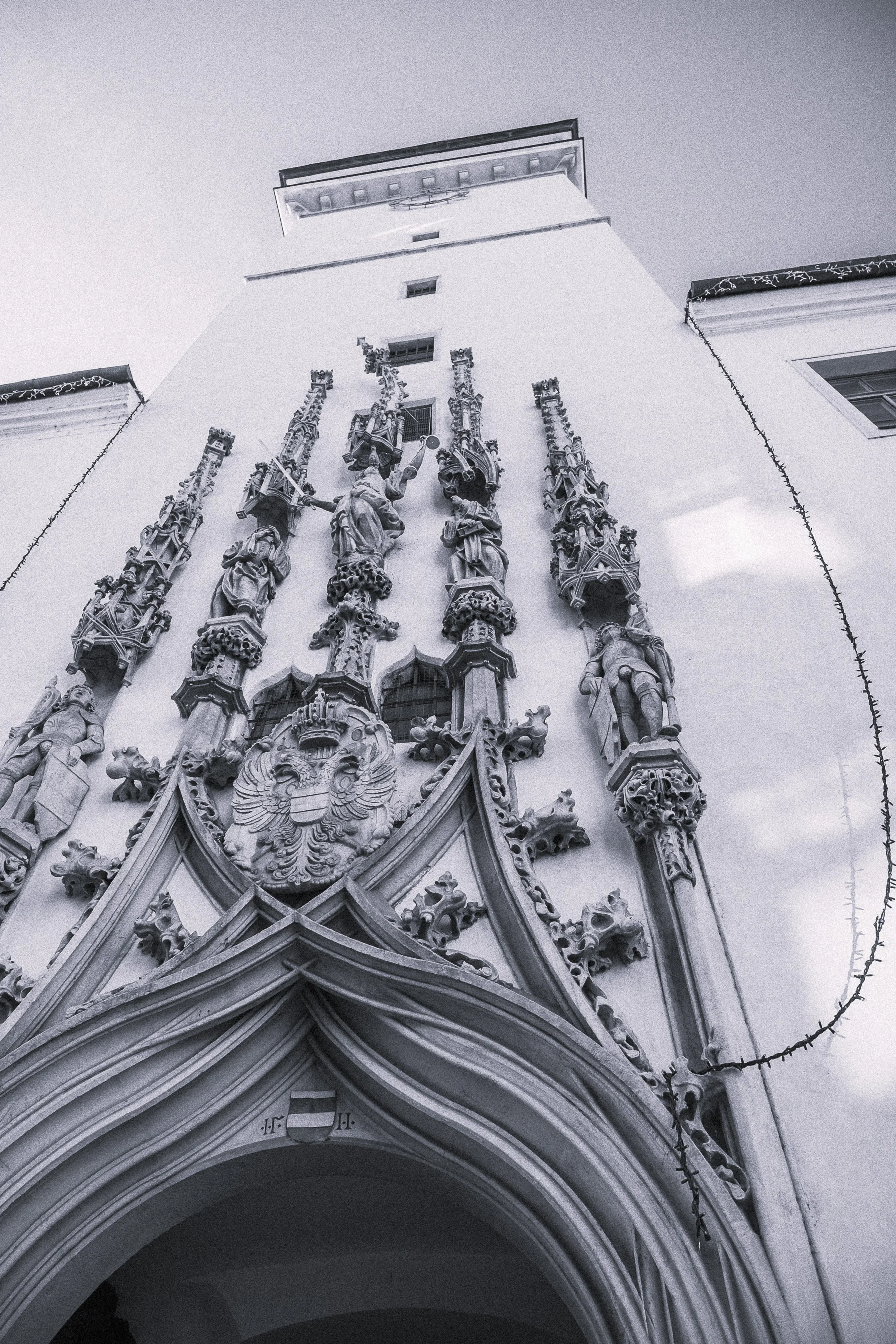
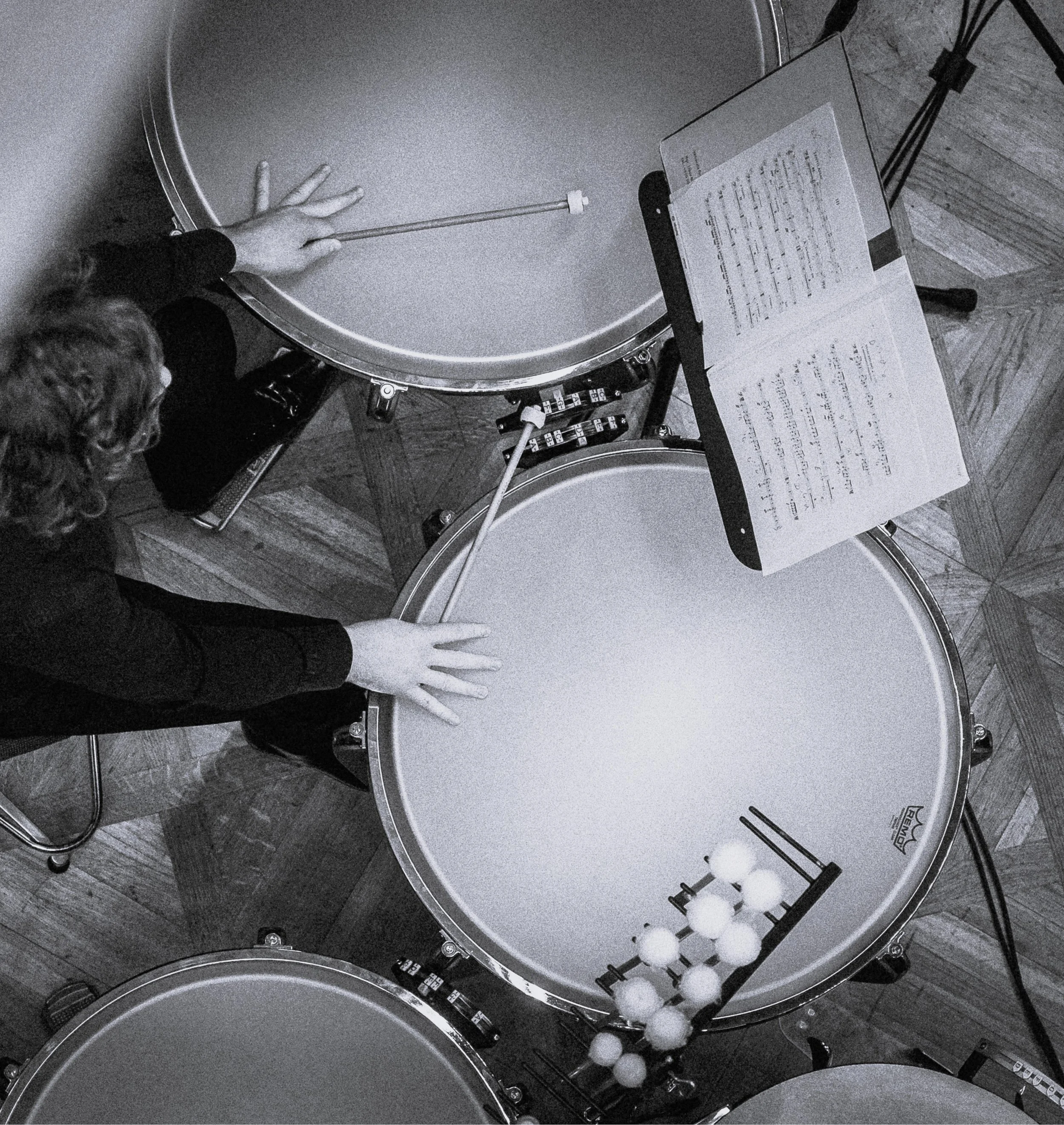
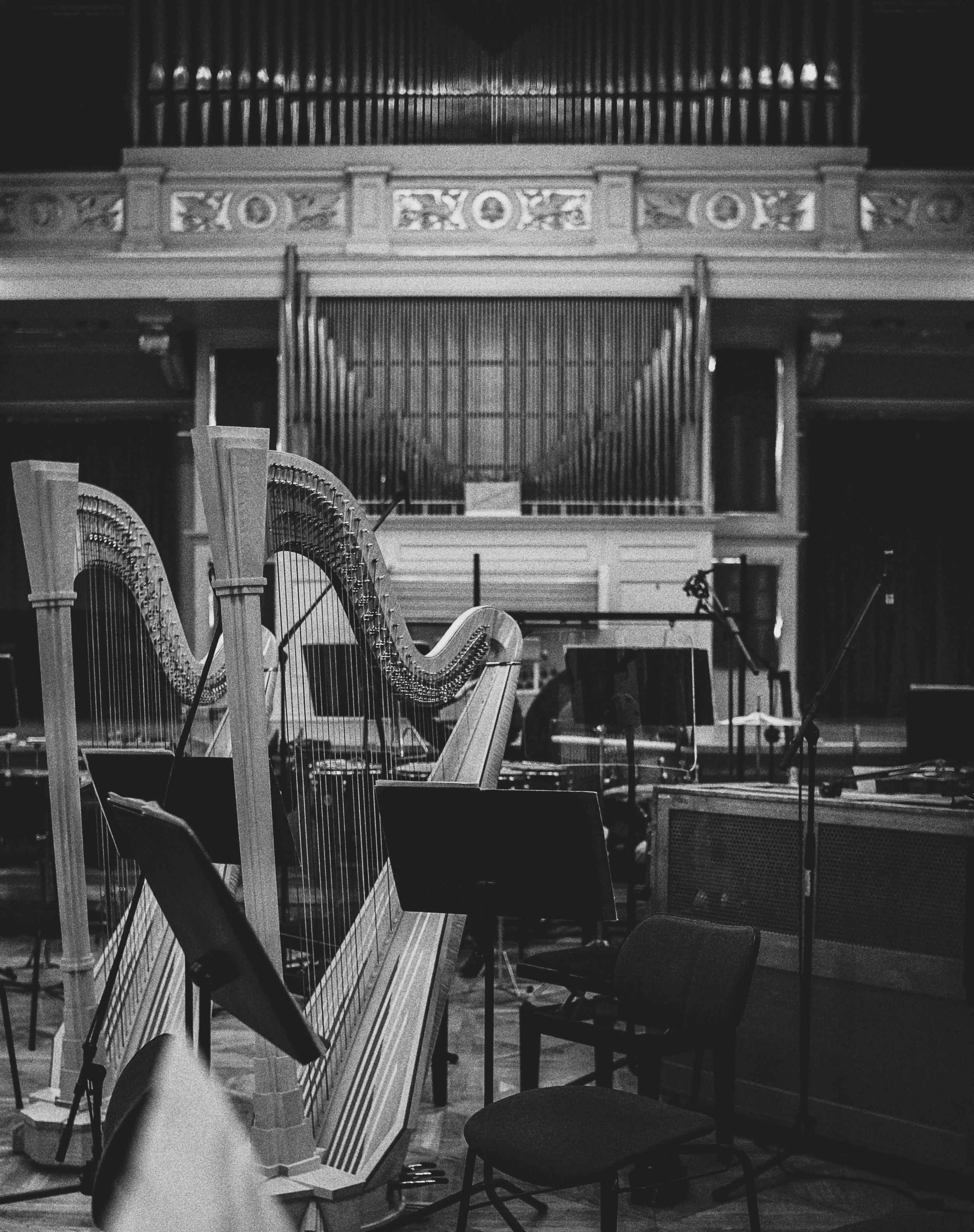
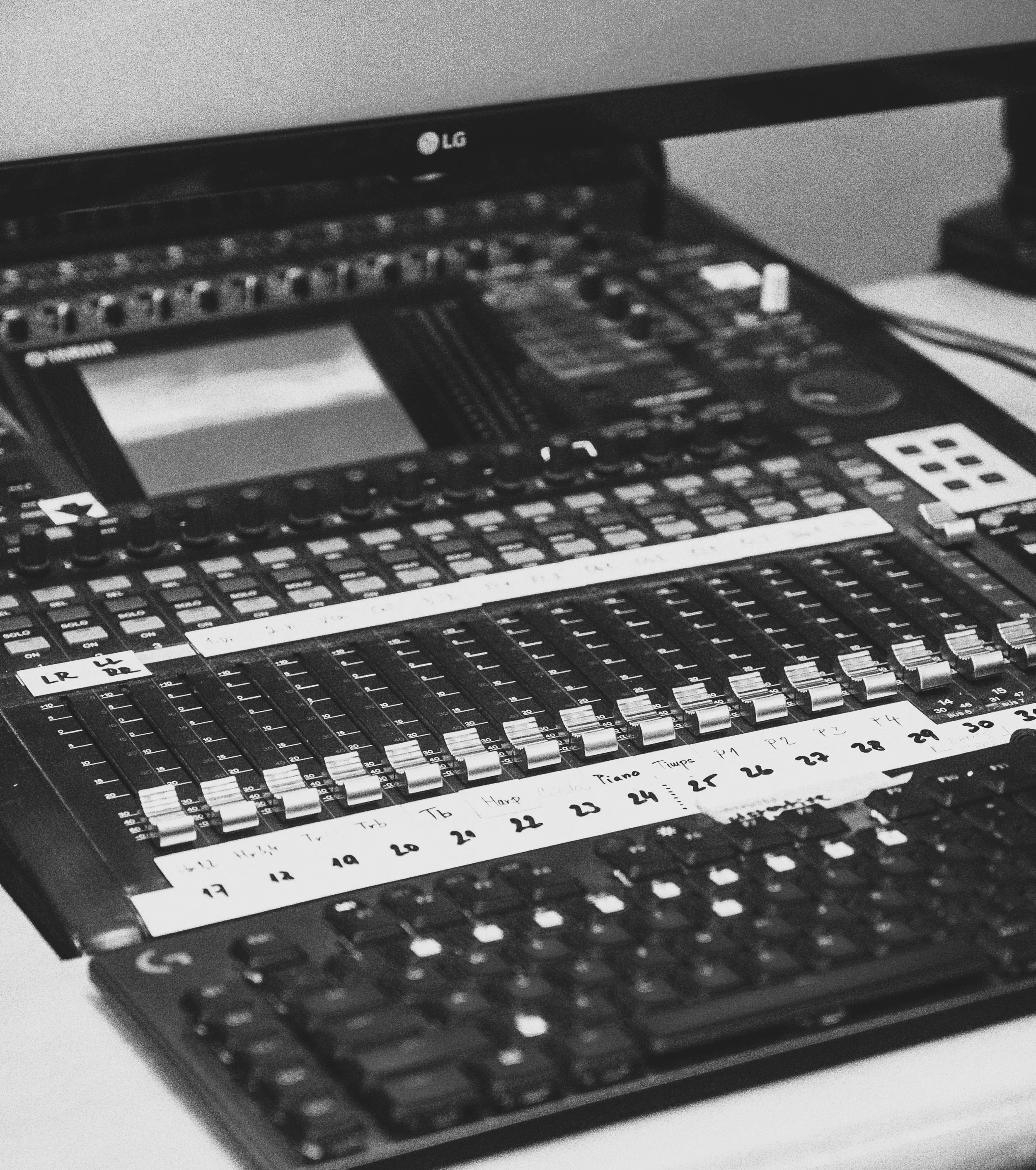
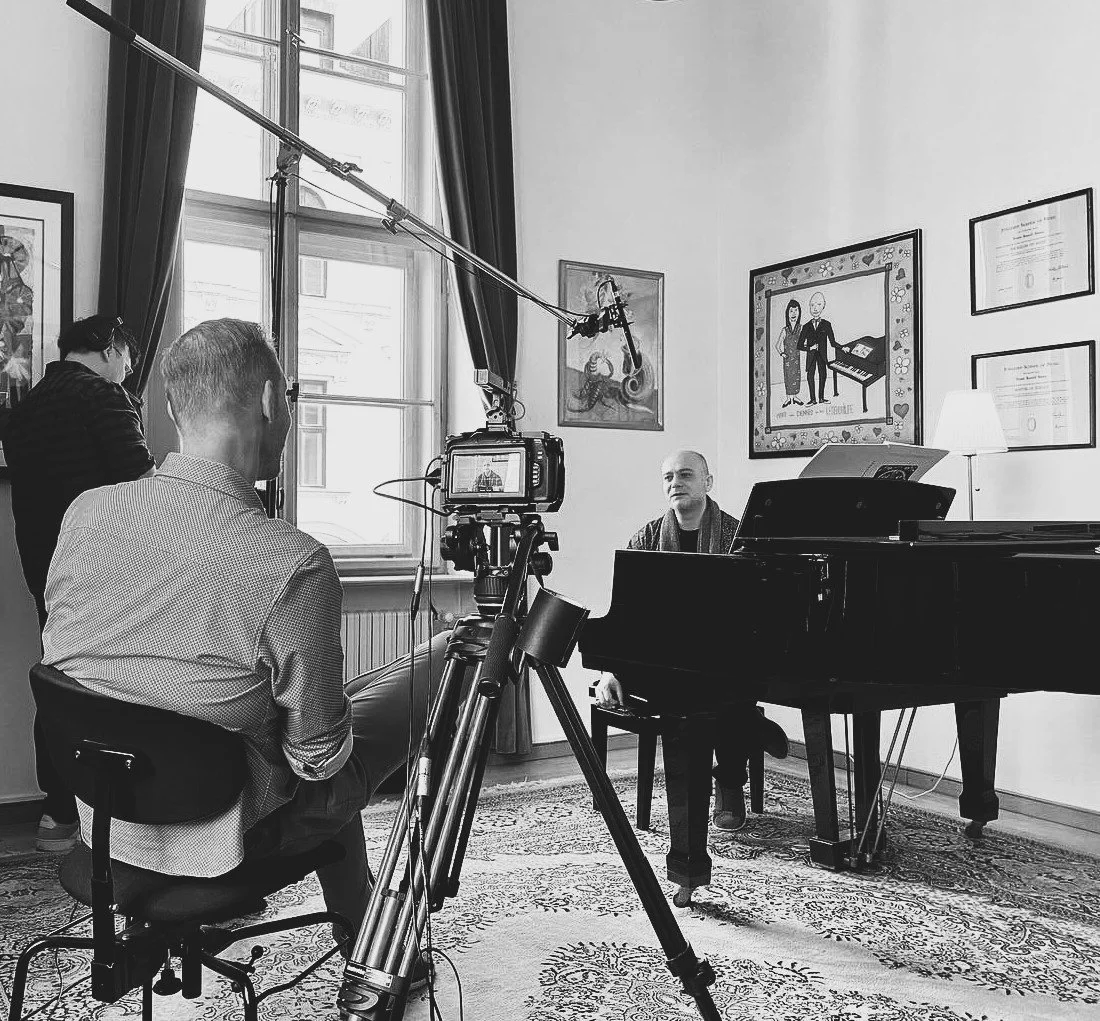
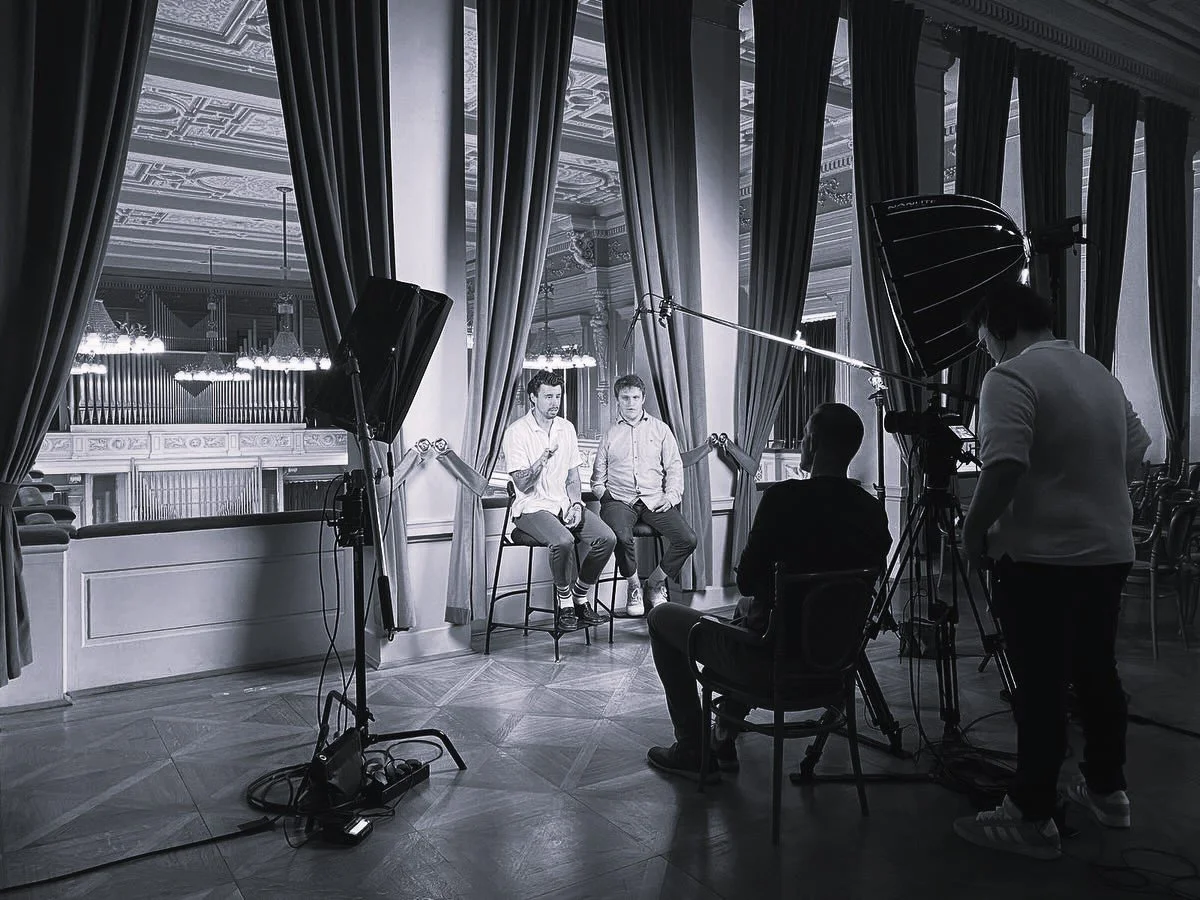
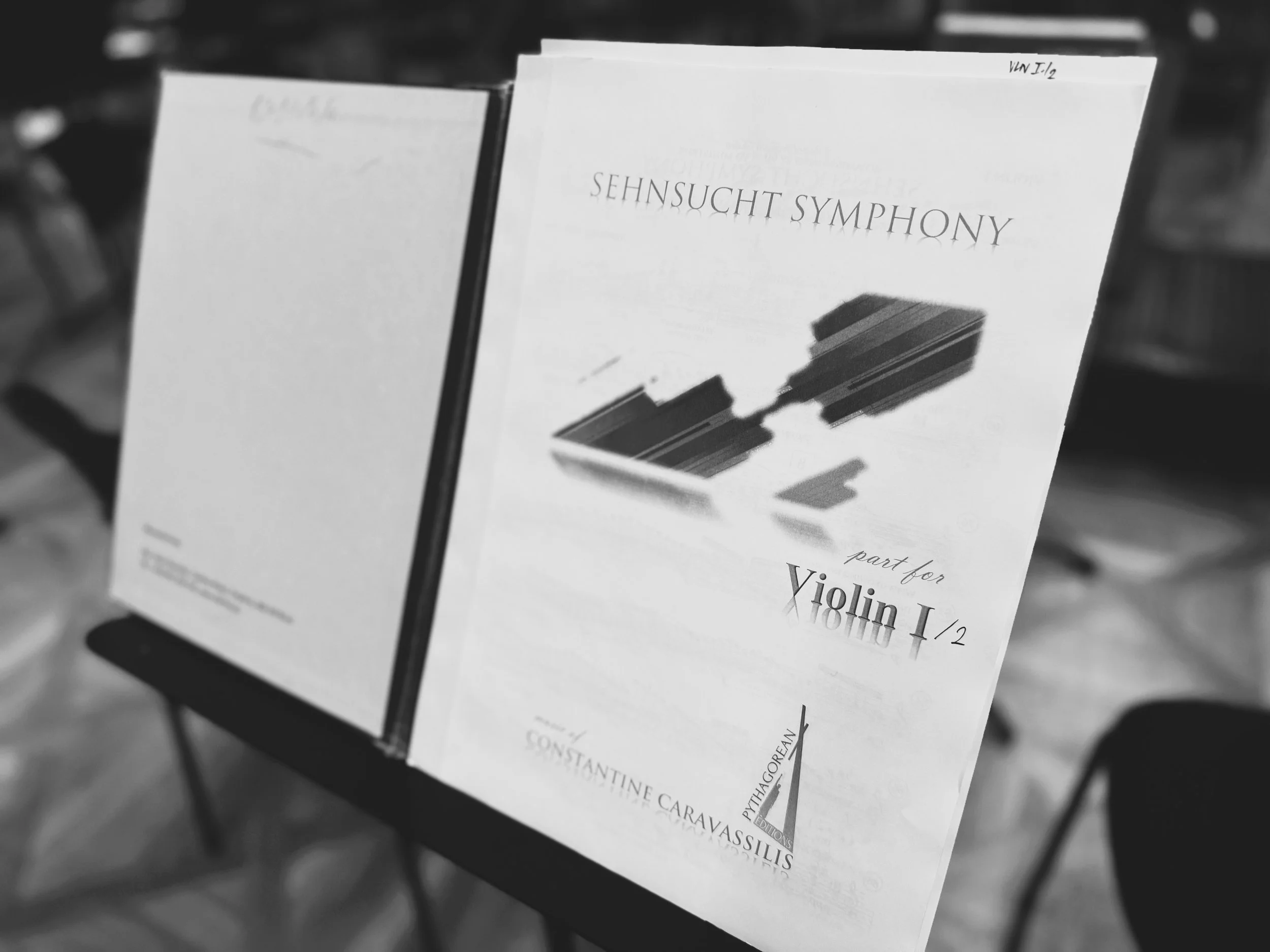
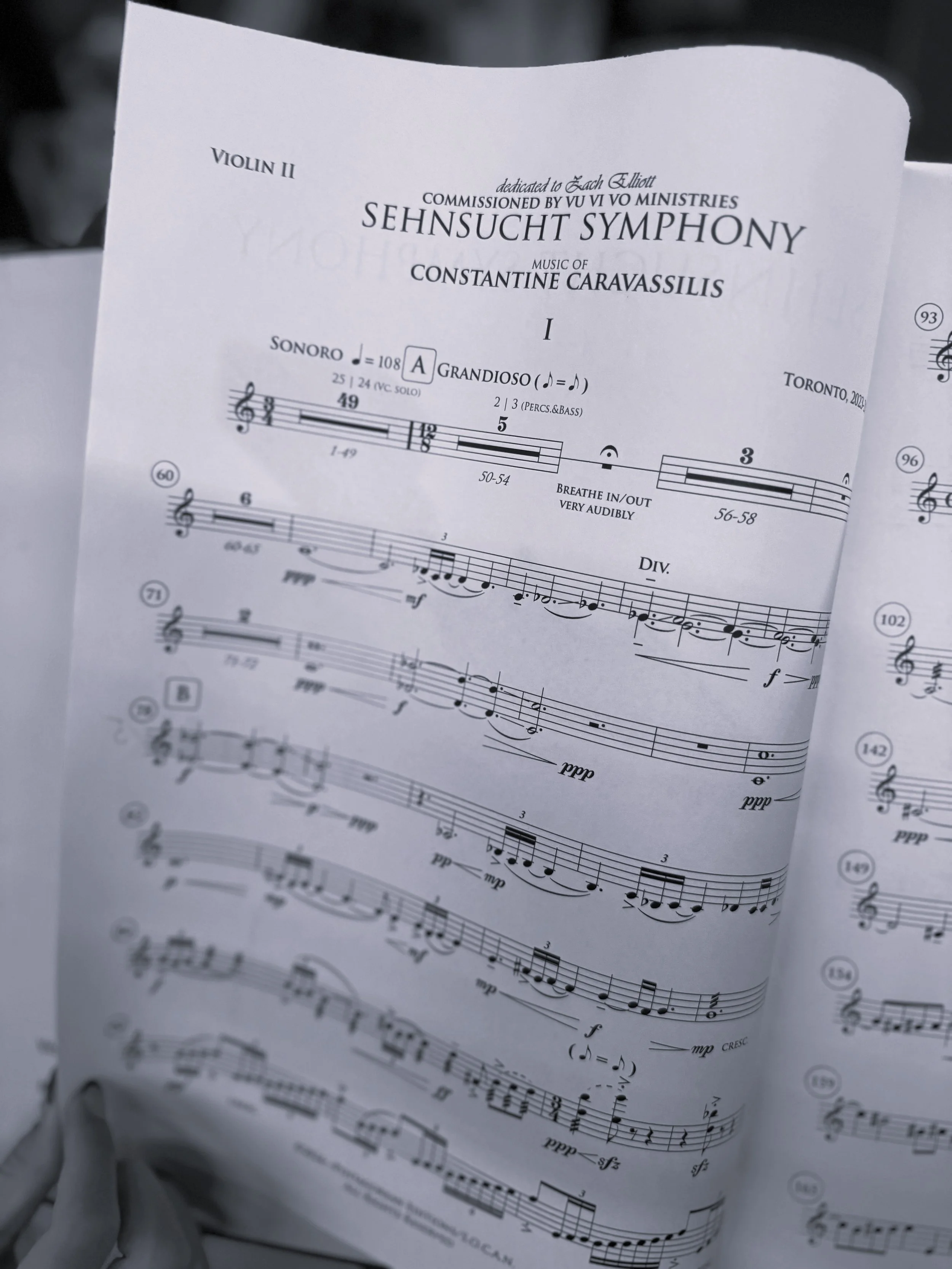
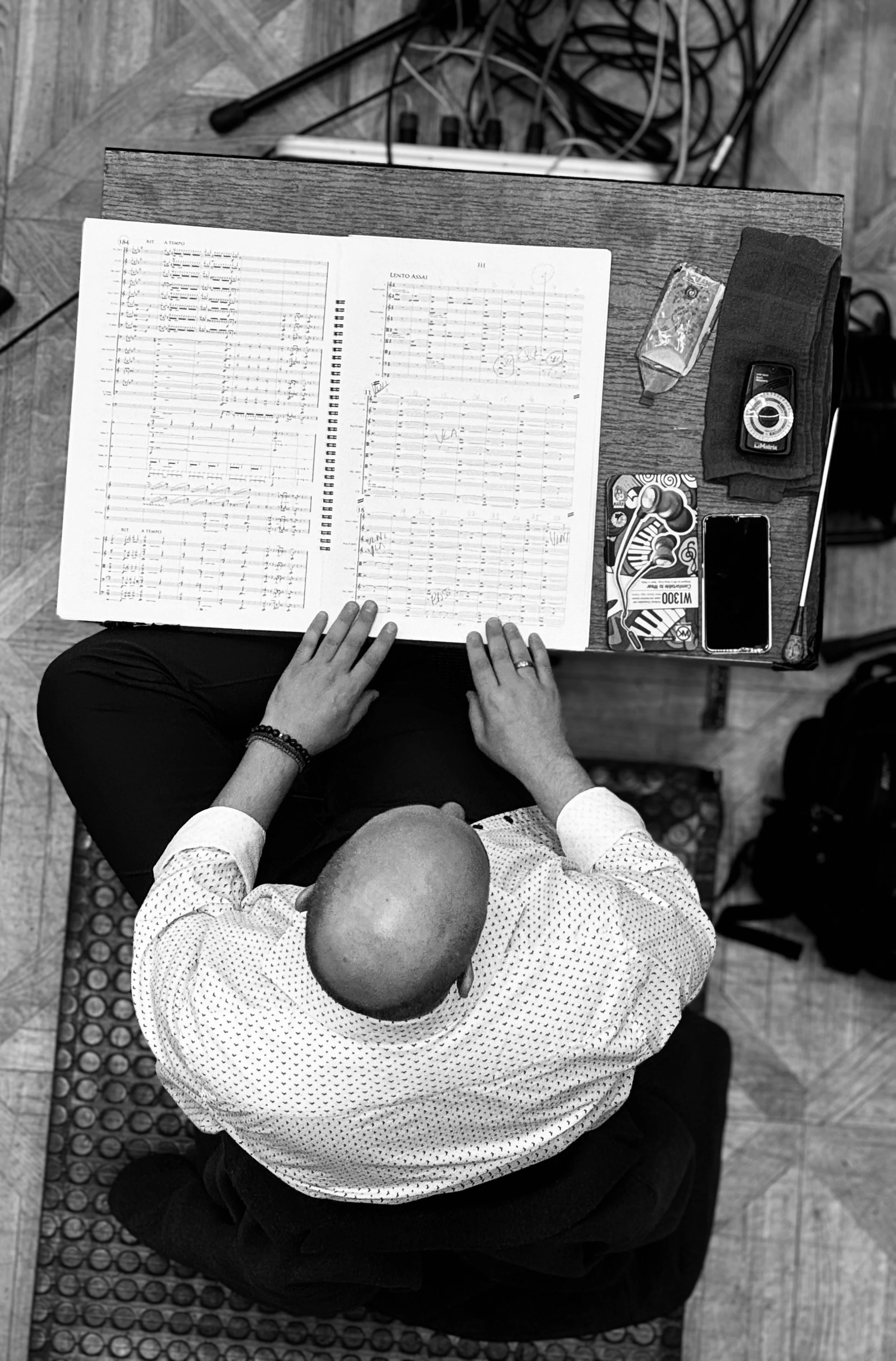
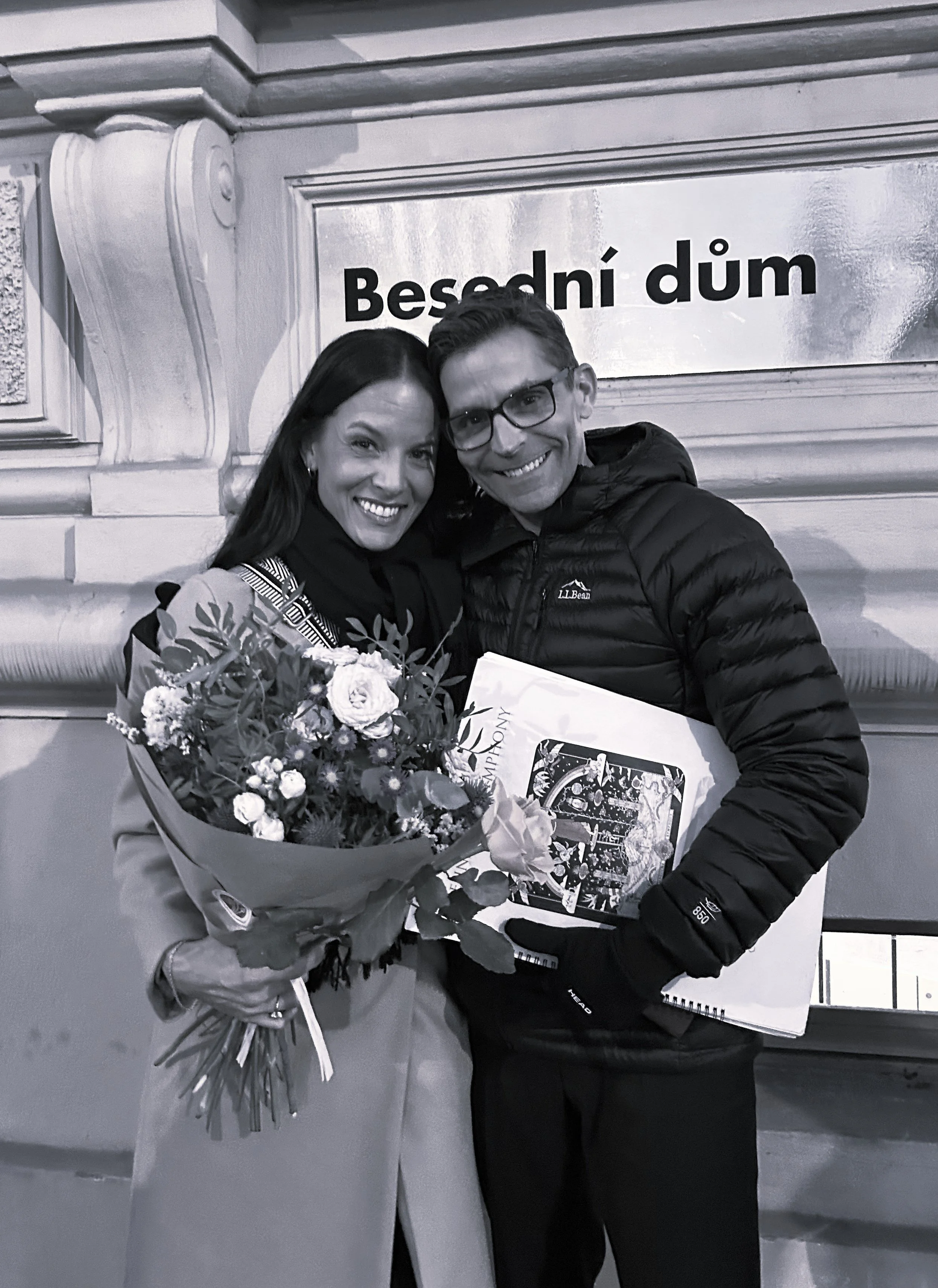
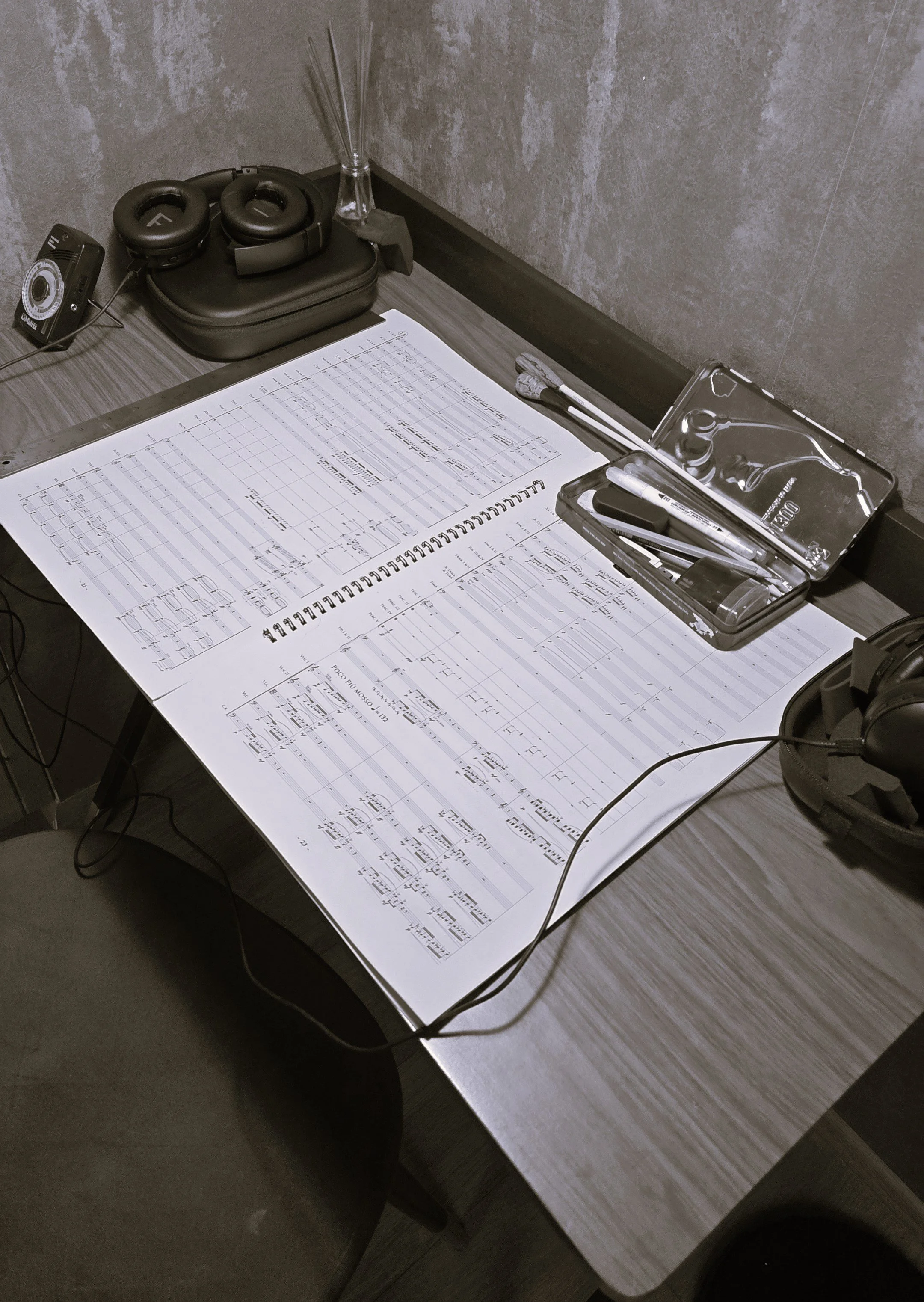
Scenes from the recording sessions in Brno, Czechia
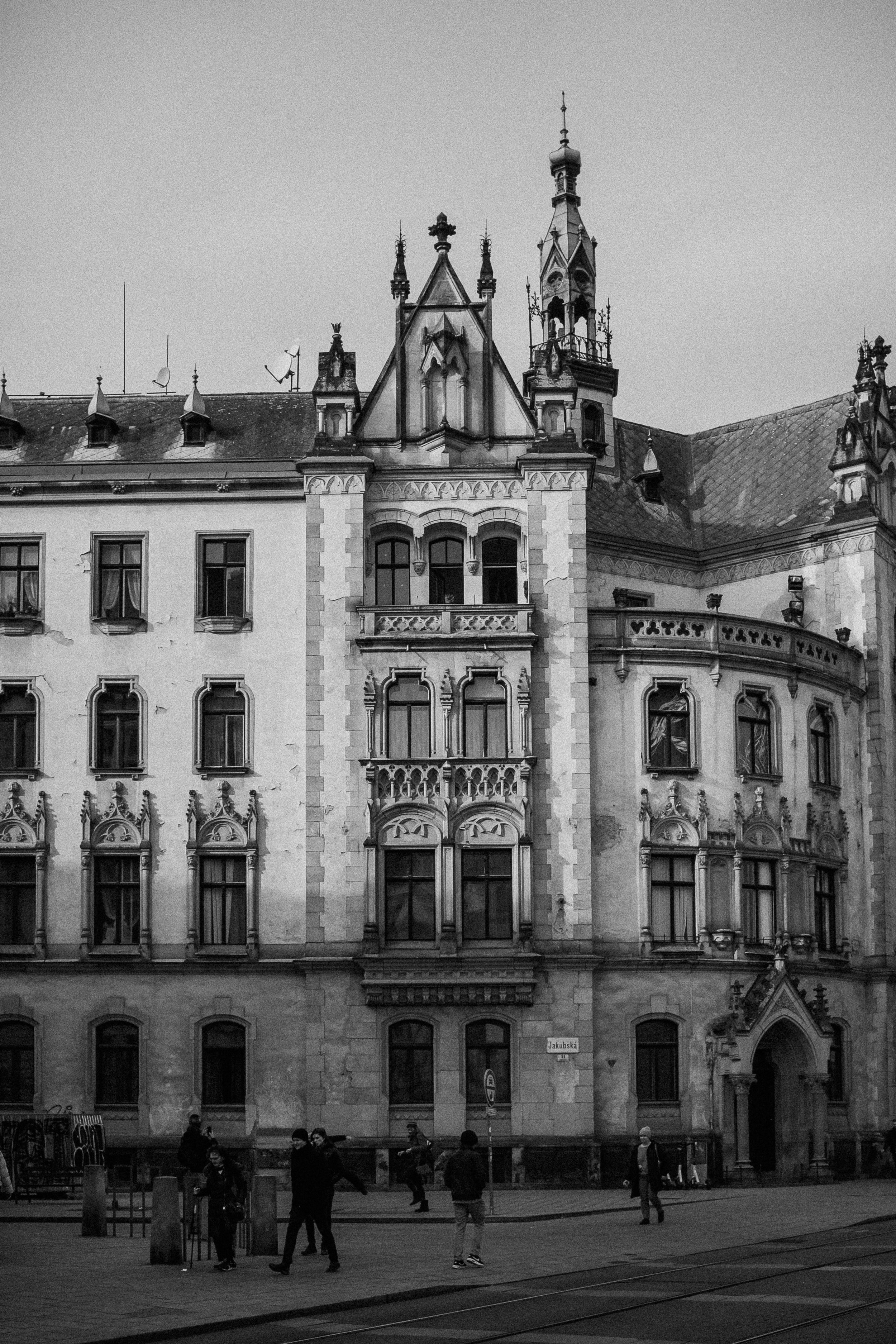

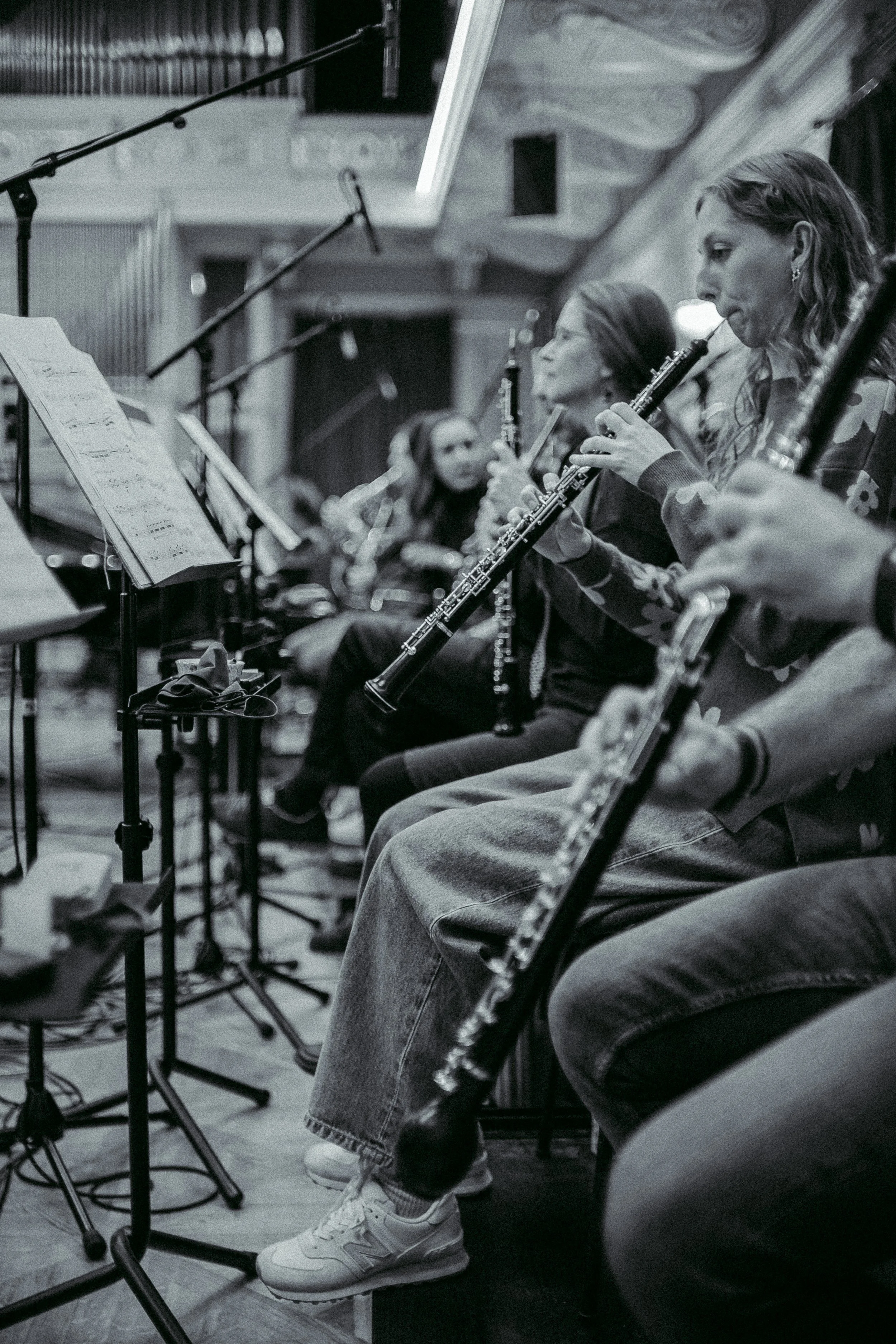
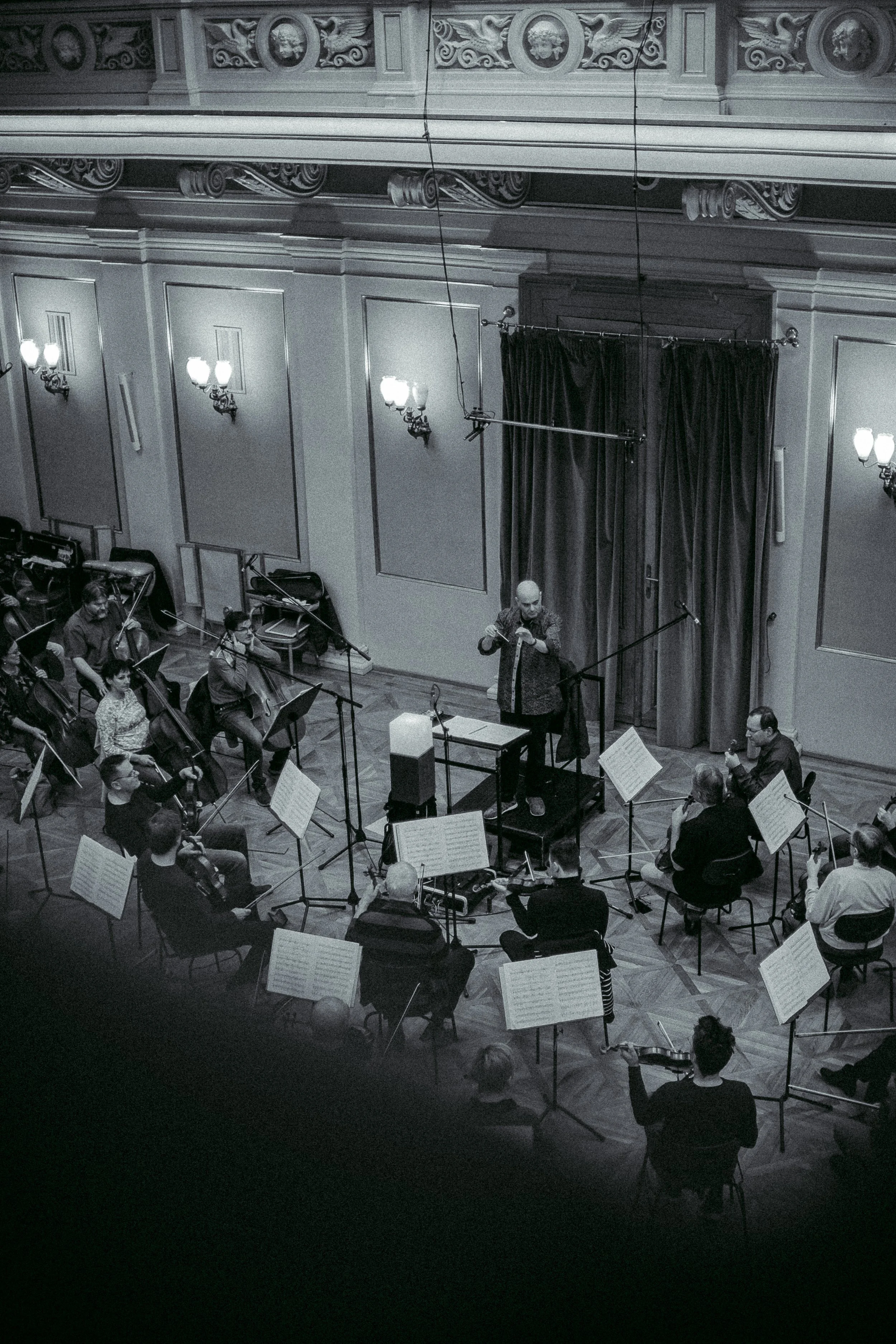





— Featured Reviews
Album of the Week (3/6/26): Filharmonie Brno & Constantine Caravassilis - Sehnsucht Symphony (VU VI VO)
It was a slow week for music releases that had any real impact on me. I wasn’t sure what I would be writing about and somehow, fortuitously, a random Instagram-recommended post materialized, recommending a work that is unlike most music I’ve been listening to in the last couple years. After 15 seconds of an initial listen I knew my attention was captured, and after listening to the entire symphony once, I was convinced I’d be writing about it. The desire to share this with whoever I could became paramount. In short, Sehnsucht Symphony is a modern classical symphony in 6 movements, commissioned by VU VI VO Ministries and recorded by the Brno Philharmonic to explore the German concept of Sehnsucht: a profound and inconsolable longing for transcendence or unattainable beauty. How’s that for an unexpected Audiophile’s Burden entry?
There is a lot of curious and interesting detail to unpack here. For example, I learned that VU VI VO Ministries (abbreviated as V3) is a non-profit organization that has a unique perspective to its principles, and in its proselytizing efforts as I understand them: their mission is to “reveal” Christianity through beauty, as evidenced in art, music, literature and the like. For someone who considers themselves agnostic and for whom traditional Gospel and church songs simply do not appeal, this approach does something a bit different, and perhaps even more secular coded in my eyes. The universal language that true art speaks can resonate with anyone willing to listen, whether of the faith or not. What it signifies is up to the individual. Sehnsucht Symphony was inspired by a book written by the head of V3, Zach Elliott and to properly record the modern orchestral work, The Brno Philharmonic orchestra (based in the Czech Republic) was tapped to bring it to life. Brno has been around for 150+ years and is one of the most respected ensembles in Central Europe. Greek/Canadian composer Constantine Caravassilis drove the performance, capturing the thematic journey that showcase clear narrative flow and also boasts some truly beautiful passages.
I must say it’s been many years since I’ve genuinely listened to classical music, let alone orchestral symphonies in their entirety. Truly appreciating this work requires some internalizing and focus; left alone with the full weight of it feels like an elemental experience. The composition itself is comparable to timeless works by composer titans like Mahler (Resurrection Symphony) or Beethoven (5th Symphony). It utilizes a large orchestra requiring 92(!) instrumentalists in an exploration of the aforementioned Sehnsucht: a perceived journey from ignorance/darkness into a new reality, equipped with a deep understanding of self, a profound love for humankind, and inspiration to continue the journey that only a touch of the divine can provide. All of this works on a secular level too - which was the brilliance I found in exploring the symphony, particularly the emotional nadir that is Movement 3 (Adoration) as well as its natural and associated progression Movement 5 (Love). I defy any man to listen to Adoration in its entirety (particularly when the full weight of the orchestra is felt in its second part) and not be genuinely moved.
Movement 5 (Love) builds upon the profound and transformative experience felt for the first time in Adoration and through its broad, sweeping and stabilizing melodies showcases the kind of true and abiding love we all aspire to. The ache that was felt earlier in the symphony has begun to dissipate, but the journey continues.
One element of Sehnsucht Symphony that captured my interest is the fact that despite a powerful and bombastic positivity, it contains many moments of tension and even dread. This is the intentional dissonance of current reality versus an anticipated glory to come. Evidently Caravassilis’ goal was to engage in a musical and thematic battle with the “God is dead” philosophy that inspired Richard Strauss’ Also Sprach Zarathustra. He used grand, orchestral language to portray a perspective of the opposite view. Strauss’ use of darker tonal language to portray the heaviness therein was mimicked by Caravassilis, but his end result was to convey a profoundly serious joy instead of despair.
Thinking of this notion, I was reminded of a profound lyric from the enigmatic David Eugene Edwards of Wovenhand in Dirty Blue: “There is a sorrow to be desired. To be sorrow’s desire”. In the same vein as the symphony, it invokes the kind of profound longing that can lead to spiritual growth. Whether that leads to religious awakening or something entirely different is up for debate. The real question I was left with was this one: is the music a vehicle to interact with the divine, or is the music itself the divine destination, challenging, pushing, and moving the listener in a way unlike most mediums can? Sehnsucht Symphony brought back an appreciation for the purity of the art form that is classical composition for me. I was transported back to my high school days when I was first introduced to this in Music History class as a naive teenager. What a glorious find, one I would highy, highly recommend.
— Eugene Schwarz, Audiophile’s Burden (Substack)
…Today we begin an extraordinary musical journey with Canadian composer Constantine Caravassilis’s new work, the Sehnsucht Symphony. ‘Sehnsucht’ is a German word whose nearest English translation is yearning or longing. This extravagant 35-minute work begins with a solo French horn, reminiscent of the opening of Mahler’s Fifth, and continues through six movements with so many surprising and breathtaking detours.
The music sighs and seethes, and its radiant orchestration varies suddenly from chamber-music textures to extremely rich and full orchestral sections. I wonder how Caravassilis’s synesthesia visualizes this music! It has many fleeting hints of other music, such as Liszt’s Totentanz in the second movement with the same rhythmic Dies Irae, and Caravassilis’s own Soul Ascending for solo piano haunting the fifth movement.
I believe this work has less heritage from the symphony and more from Liszt’s symphonic poems. This performance was also extremely well recorded, and the resulting orchestral sound is glorious, befitting its grand and rich sonorities. A magnificent work — listen to it with the volume up loud!
— David Dalle, CKCU FM, Ottawa